Welcome STARK TOUCH DEVICE!


Solutions
Industrial control computer network security protection
Cybersecurity Protection for Industrial Control Computers
Understanding Threats in Industrial Control Environments
Industrial control computers operate in settings where cybersecurity risks can disrupt critical processes, leading to financial losses or safety hazards. Unlike traditional IT systems, these machines control physical equipment like manufacturing lines, power grids, or water treatment facilities. Attackers often target vulnerabilities in software, network protocols, or human operations to gain unauthorized access. For instance, a compromised control computer could alter machine settings, causing equipment malfunctions or product defects.
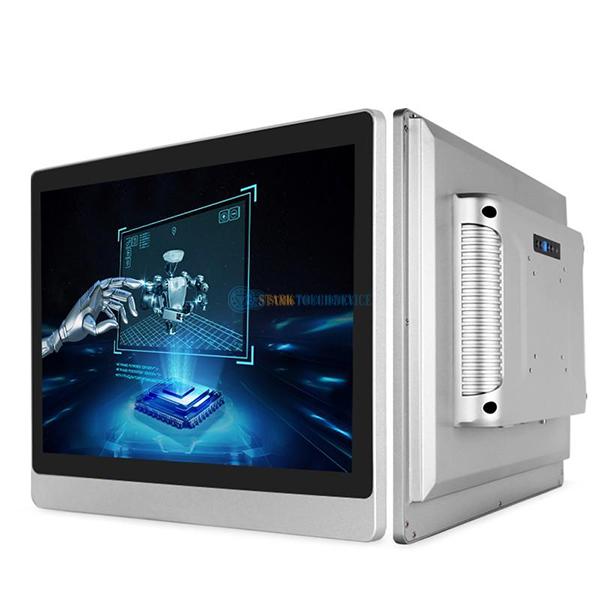
Common threats include malware infections, phishing attacks, and denial-of-service (DoS) disruptions. Malware can spread through infected USB drives or compromised software updates, while phishing exploits employee credentials to infiltrate networks. DoS attacks overload systems with traffic, halting operations until the attack subsides. These risks highlight the need for robust cybersecurity measures tailored to industrial environments.
Network Segmentation Strategies
Isolating Critical Systems
Network segmentation divides industrial control networks into smaller, isolated zones to limit attack surfaces. By separating operational technology (OT) networks—which manage physical processes—from enterprise IT networks, organizations reduce the risk of cross-contamination. For example, a manufacturing plant might place its control computers on a dedicated subnet, restricting access to authorized devices only. This isolation prevents attackers from moving laterally across the network if one segment is compromised.
Implementing Firewall Rules
Firewalls act as gatekeepers, filtering traffic between network segments based on predefined rules. In industrial settings, firewalls should enforce strict policies that allow only essential communication between control computers and external systems. For instance, a firewall might block all inbound traffic except for specific protocols used by monitoring tools or maintenance software. Outbound traffic can also be restricted to prevent data exfiltration or unauthorized connections to malicious servers.
Using Virtual Local Area Networks (VLANs)
VLANs logically separate devices within the same physical network, enhancing security and performance. By grouping control computers with similar functions into separate VLANs, organizations can apply tailored security policies to each group. For example, a VLAN for sensors collecting environmental data might have different access controls than one for human-machine interfaces (HMIs). This granularity minimizes the impact of a breach in one VLAN on other parts of the network.
Secure Communication Protocols
Encrypting Data Transmissions
Encryption protects data in transit between control computers and other devices, preventing eavesdropping or tampering. Industrial protocols like Modbus TCP or OPC UA should use encryption standards such as Transport Layer Security (TLS) to secure communications. For instance, a control computer sending sensor readings to a central server should encrypt the data to ensure it remains confidential and unaltered during transmission.
Authenticating Devices and Users
Authentication verifies the identity of devices and users accessing industrial control networks. Multi-factor authentication (MFA) adds an extra layer of security by requiring multiple credentials, such as a password and a hardware token, to log in. Device authentication ensures only authorized hardware, like certified sensors or controllers, can connect to the network. This prevents rogue devices from introducing vulnerabilities or disrupting operations.
Monitoring Protocol Anomalies
Continuous monitoring of network traffic helps detect unusual patterns that may indicate an attack. For example, a sudden spike in requests to a control computer’s web interface could signal a brute-force login attempt. Anomaly detection systems analyze protocol behavior, flagging deviations from normal activity for investigation. This proactive approach allows organizations to respond to threats before they escalate into full-blown breaches.
Regular Software Updates and Patch Management
Prioritizing Critical Updates
Software vulnerabilities are a common entry point for attackers, making timely updates essential. Industrial control computers should run the latest versions of operating systems and applications, with patches applied as soon as they become available. However, updates must be tested in non-production environments first to ensure they don’t disrupt operations. For example, a patch for a control software bug should be validated on a test system before deployment to live machines.
Automating Patch Deployment
Manual patching is time-consuming and prone to errors, especially in large industrial networks. Automation tools can streamline the process by scheduling updates during maintenance windows or low-activity periods. These tools can also verify patch installation and generate reports for compliance purposes. For instance, an automation system might push a security update to all control computers overnight, minimizing disruption to daytime operations.
Managing Legacy Systems
Many industrial environments rely on legacy control computers that may no longer receive vendor support or updates. To mitigate risks, organizations should isolate these systems on separate networks and limit their access to critical resources. Additionally, compensating controls like intrusion detection systems (IDS) or strict access policies can help protect outdated hardware. In some cases, replacing legacy systems with modern alternatives may be the most secure long-term solution.
By implementing these cybersecurity measures, industrial organizations can safeguard their control computers against evolving threats. From network segmentation to secure communication and proactive patch management, a multi-layered approach ensures resilience in an increasingly connected world.