Welcome STARK TOUCH DEVICE!


Optical Bonding


Our Optical Bonding Service
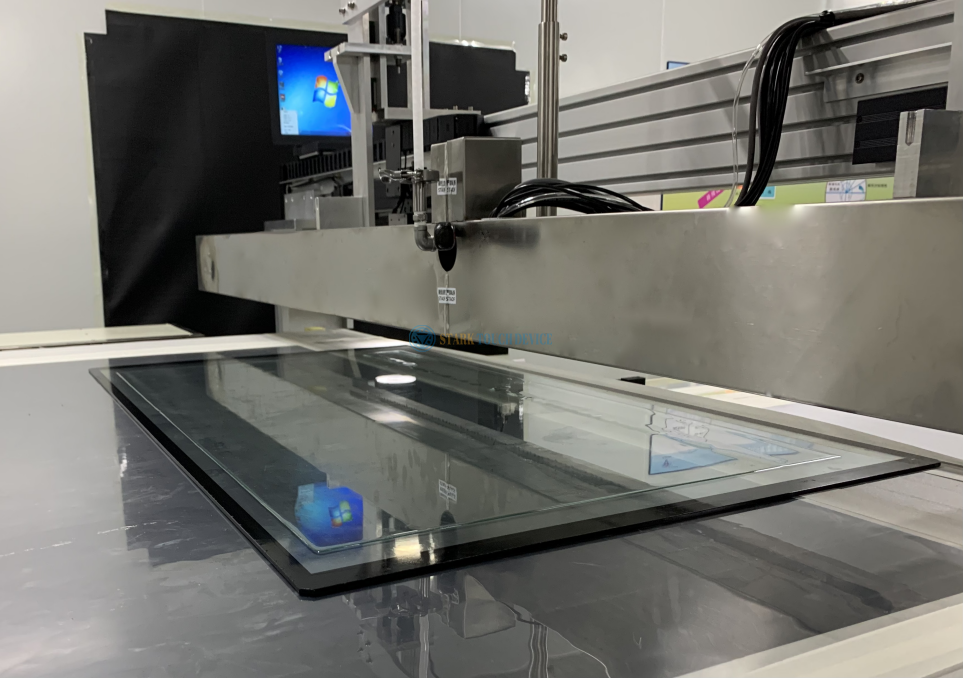
  • Supply TP(touch panel)/CG(Cover glass) + LCM Module/OC(open cell) Panel + Optical Bonding Service
  • Supply Optical Bonding Service (Custom Provide touch panel)/CG + LCD Module/OC(open cell) Panel

Organic Silicone Glue (Germany Wacker Glue)


  • Organic Silicone Glue (Germany Wacker Glue)
  • The Glue will not change to yellow even working under high temperature
  • Be able to prevent bubble created inside between Touch panel and LCD.
  • Be able to prevent yellow screen.


What is Optical Bonding?

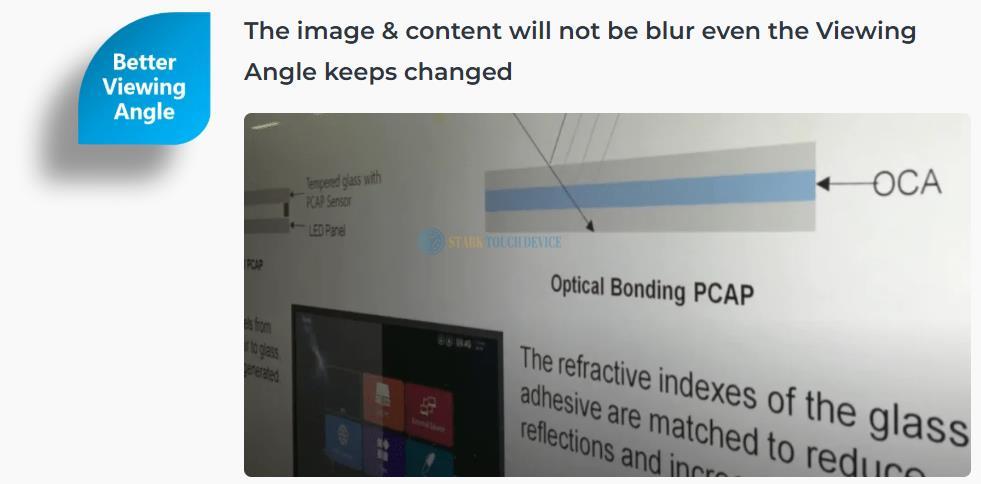
Optical bonding is a technology that injects special glue in the display glass or touch screen and TFT liquid crystal (TFT) panel and coated with a layer of resin (OCR) or film (OCA), bonding into a solid laminate without gaps or bubbles. When selecting screens for any project, you should evaluate the environmental and operational conditions that screens will have to endure. Industrial-grade screen and panel PCs are rugged with all types of features and can withstand any type of application. One property that can be considered is optical bonding.

Optical bonding is widely used in the medical, military, transportation and retail sectors where higher performance displays are required due to harsh environments.  Optical bonding is suitable for industries that need to use robust displays in high reliability environments or need to use displays in high ambient light conditions.  The optical bonding process is particularly suitable and more efficient for equipment that operates outdoors or in bright light.


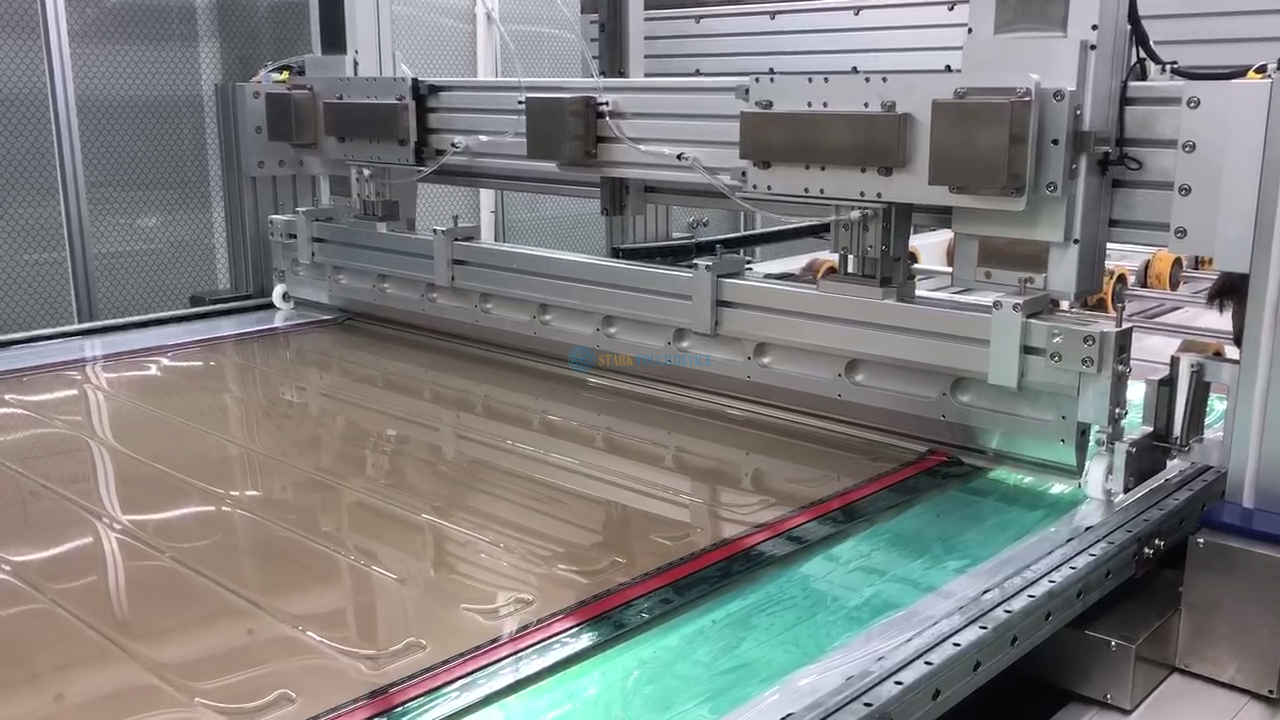
Optical Bonding Process

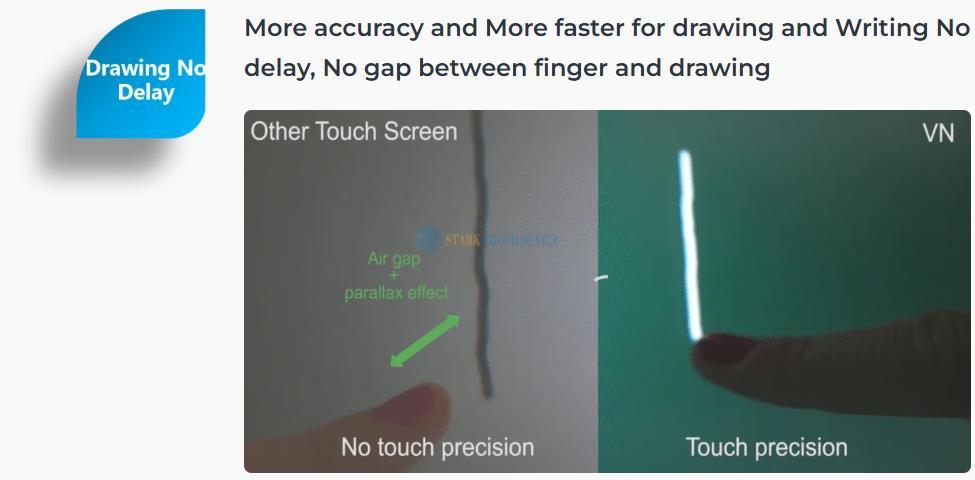
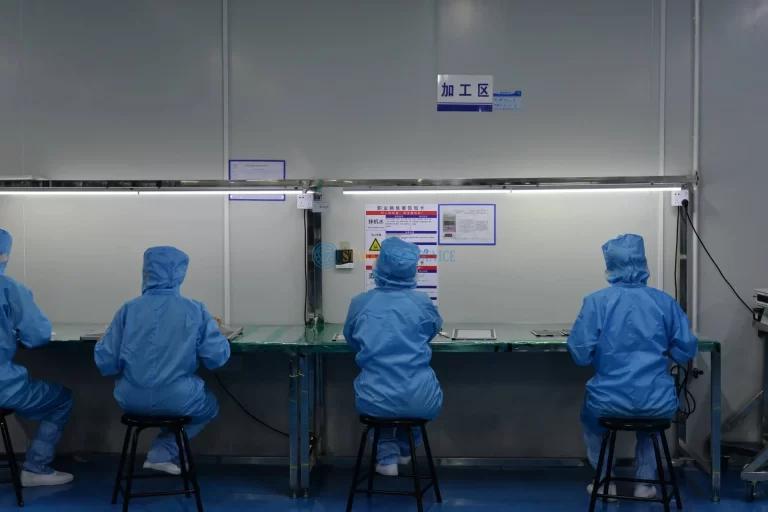
Our optical bonding technology effectively improves optical performance, impact resistance, and thermal management.

TP/LCM Inspection

1. LCM Inspection

a. Check for any foreign objects or scratches on the screen.
b. Ensure the metal frame is even and undamaged.
c. Illuminate the screen to check for dead pixels, dark spots, or color abnormalities.

2. TP Inspection
a. Inspect for surface scratches and check if the flex cable has any folds or creases.
b. Verify that touch functionality operates correctly.


2.LCM Sealing Dam

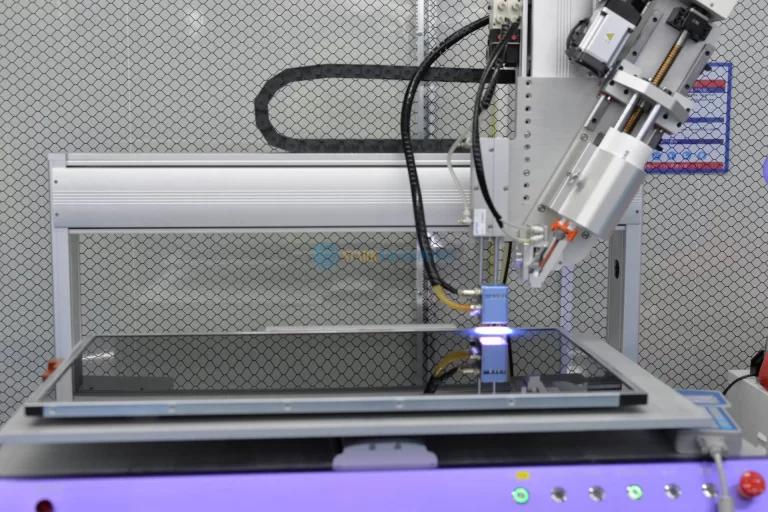
1. Apply black adhesive around the edges of the screen to prevent sealant from leaking inside during injection.
2. Cure the adhesive in an oven.
3.Remove Excess Adhesive

Clear any excess black adhesive from the frame.
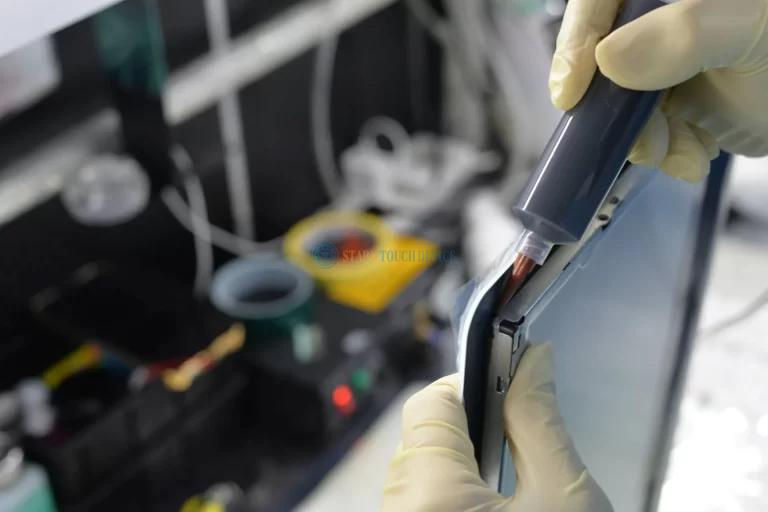
4.Inject Wacker Sealant

Ensure no air bubbles are formed during the process.
5.Seal Edges with Black Adhesive

Apply additional black adhesive along the frame to enhance waterproofing and reinforce the injected sealant layer.


6.Clean Residual Adhesive

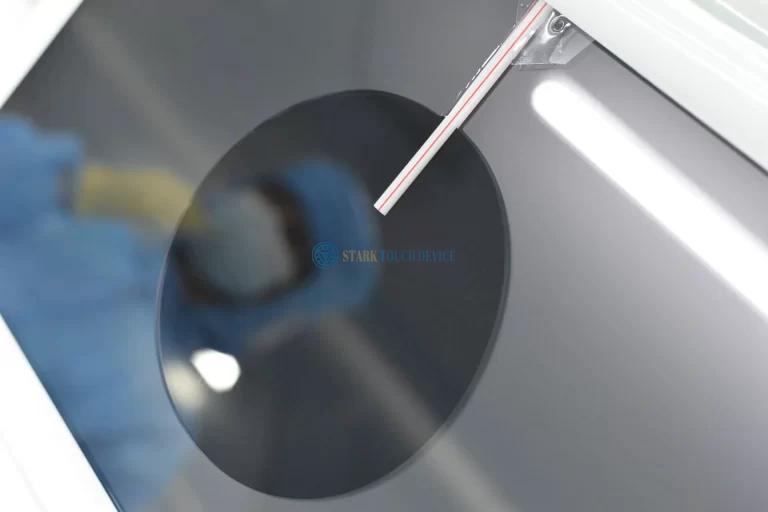
Use alcohol to remove any excess adhesive from the screen. Simultaneously, check for air bubbles or foreign particles.

7.Accelerate Curing via Baking

Bake at 60°C for 50 minutes to promote solidification.

8.QC Testing

Check for foreign objects inside the screen and surface scratches. Inspect for dead pixels or dark spots under different background colors.

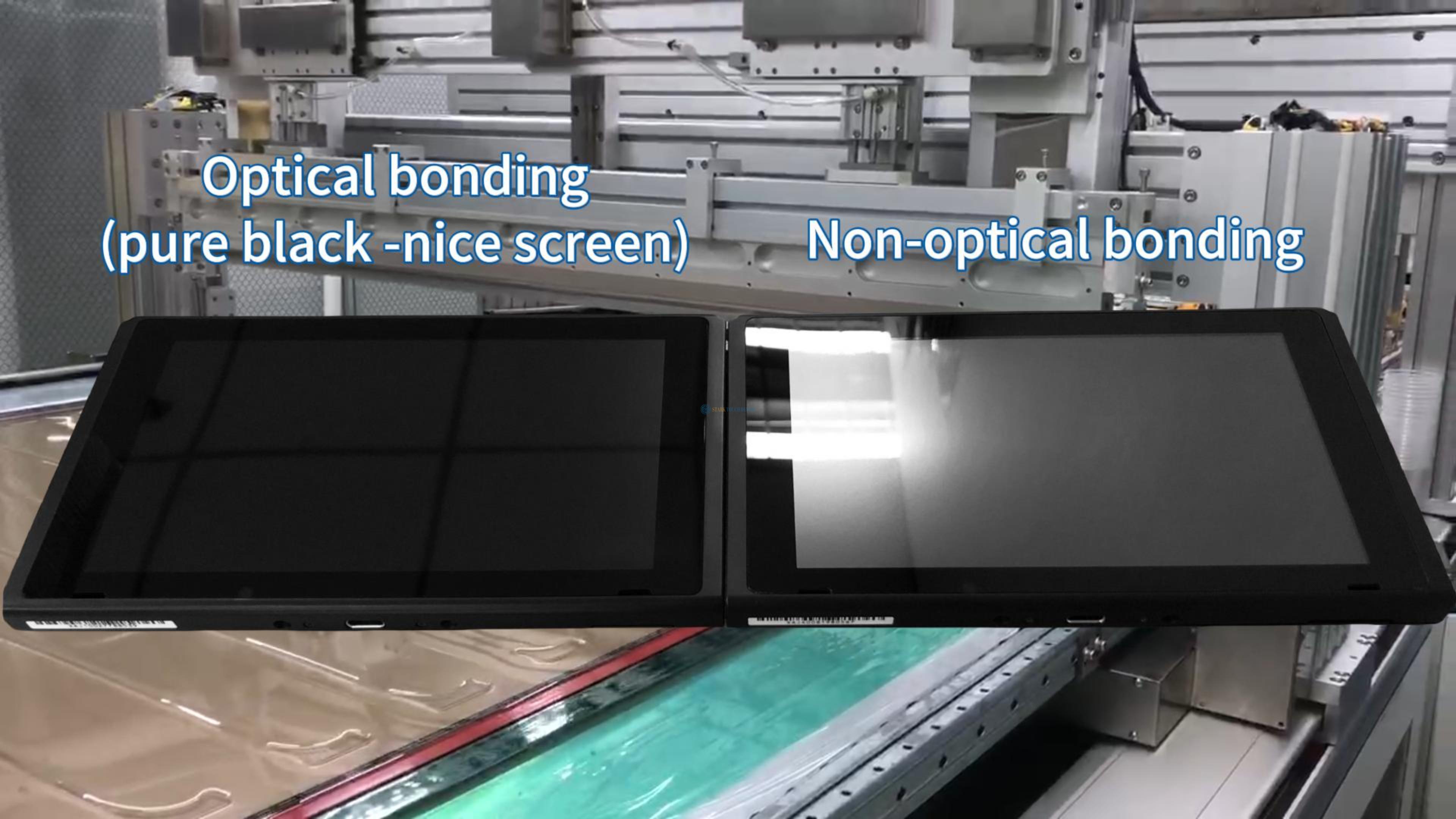
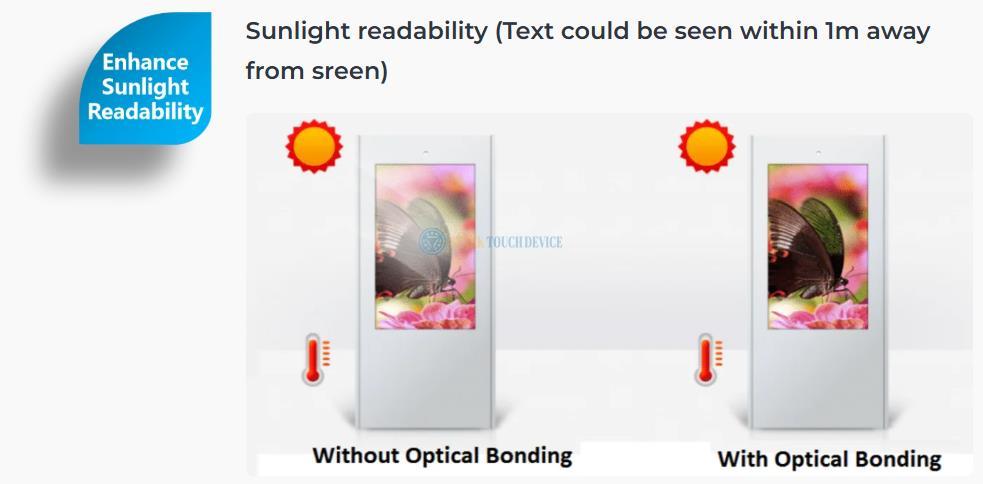
Comparison of Strong Light Irradiation

Between LOCA Full Lamination & Traditional Air Gap Bonding

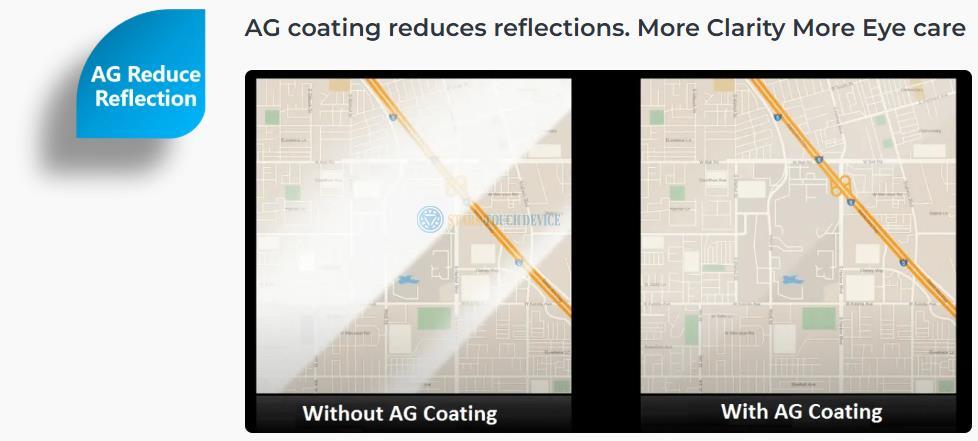
  • Minimal impact on display performance under strong light with low light reflectivity.
  • Eliminates dust, condensation, and other impurities within the interlayer.
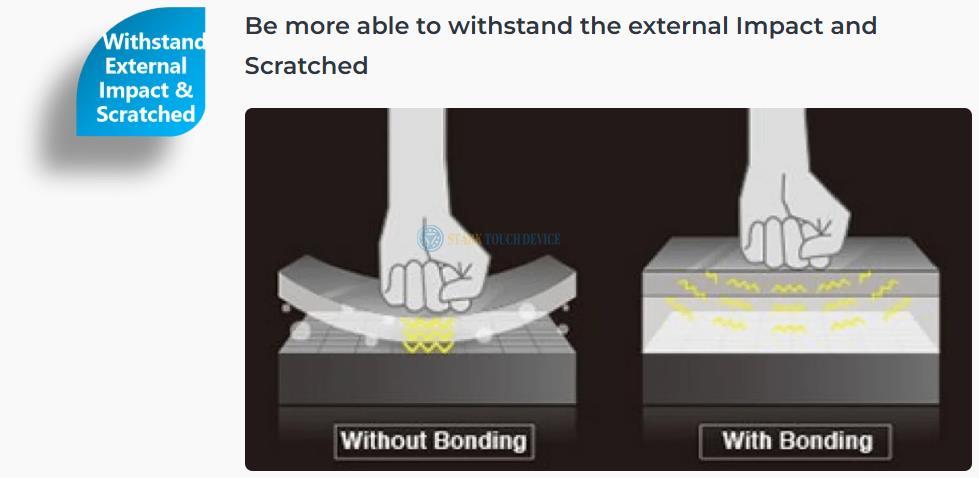
  • Enhances overall structural strength with excellent shock and impact resistance.
  • No bubbles, wrinkles, or other defects in the bonding layer; yellowing-resistant with a shrinkage rate of <1.0%.

  • Liquid filling ensures seamless bonding regardless of height differences between the metal frame and LCD screen.
  • Controlled adhesive overflow during FLOCA filling prevents waste.
  • Simple and user-friendly bonding process.
  • Compatible with 5-inch to 86-inch displays, including flat and curved screens.
  • No external pressure required during FLOCA filling, preventing damage to LCD modules.


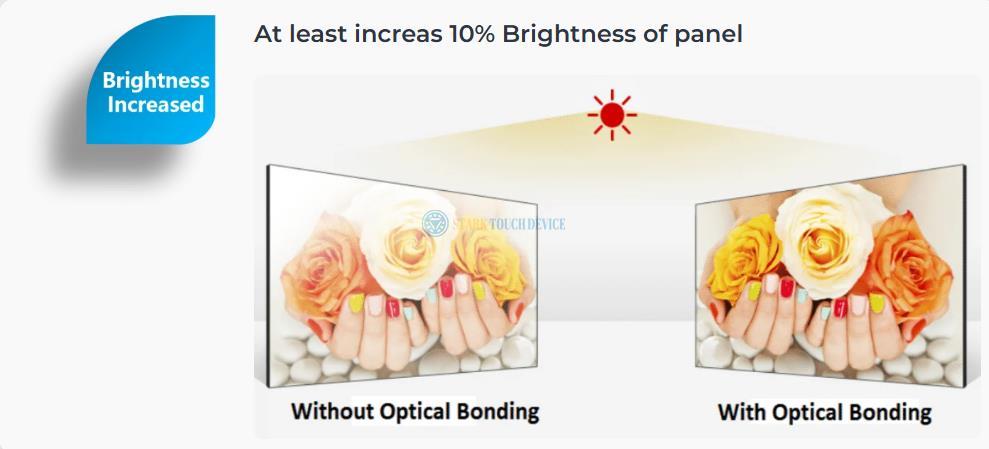
Optical Bonding VS Non-Optical Bonding


Leave Your Message


Leave a message