Welcome STARK TOUCH DEVICE!


Solutions
Machine tool processing industrial control computer numerical control
Enhancing Machine Tool Processing with Industrial Control Computers and CNC Technology
In the realm of modern manufacturing, the integration of industrial control computers and Computer Numerical Control (CNC) technology has revolutionized machine tool processing. This powerful combination offers precision, efficiency, and flexibility, enabling manufacturers to meet the ever - increasing demands of the market.
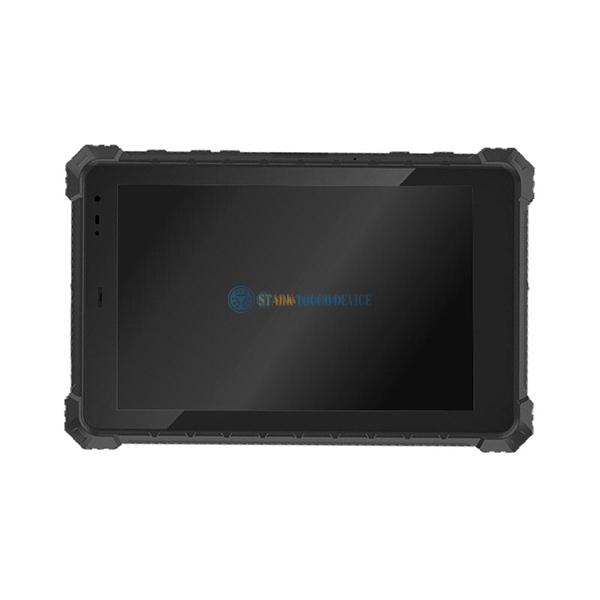
The Role of Industrial Control Computers in Machine Tool Processing
Industrial control computers serve as the brains behind machine tool operations. These specialized computing devices are designed to withstand the harsh industrial environment, including factors such as dust, vibrations, and extreme temperatures.
Real - Time Data Processing and Monitoring
One of the key functions of industrial control computers is real - time data processing. During machine tool processing, a vast amount of data is generated, including information about tool position, speed, and feed rate. The industrial control computer can quickly analyze this data and make adjustments as needed. For example, if the tool is deviating from its intended path, the computer can send corrective signals to the machine's actuators to bring it back on track.
Additionally, these computers enable continuous monitoring of the machine's performance. By tracking parameters such as power consumption and vibration levels, potential issues can be detected early on. This proactive approach helps to prevent costly breakdowns and downtime, ensuring smooth and uninterrupted production.
Integration with Other Systems
Industrial control computers are also capable of integrating with other manufacturing systems, such as enterprise resource planning (ERP) and quality management systems. This integration allows for seamless data flow between different departments within a manufacturing facility. For instance, production data from the machine tool can be automatically transferred to the ERP system, providing real - time visibility into inventory levels and production schedules. Similarly, quality data can be shared with the quality management system, enabling quick identification and resolution of any quality issues.
CNC Technology: Precision and Automation in Machine Tool Processing
CNC technology has transformed the way machine tools are operated, bringing a new level of precision and automation to the manufacturing process.
High - Precision Machining
CNC systems use pre - programmed instructions to control the movement of machine tools with extreme accuracy. These instructions are created using specialized software and are stored in the CNC controller. During operation, the controller reads the instructions and precisely positions the tool along multiple axes, resulting in parts with tight tolerances and high surface finish quality. This level of precision is essential in industries such as aerospace and medical device manufacturing, where even the slightest deviation can have serious consequences.
Automation and Increased Productivity
Another significant advantage of CNC technology is automation. Once the CNC program is set up, the machine can operate continuously without the need for constant manual intervention. This reduces the labor required for machine tool processing and increases productivity. For example, a CNC lathe can perform multiple operations such as turning, facing, and threading in a single setup, eliminating the need for multiple machine changes and reducing setup time. Additionally, CNC machines can operate at higher speeds and feed rates compared to traditional manual machines, further enhancing productivity.
The Synergy between Industrial Control Computers and CNC Technology
When industrial control computers and CNC technology are combined, they create a powerful synergy that takes machine tool processing to new heights.
Advanced Control Algorithms
The industrial control computer can implement advanced control algorithms that optimize the performance of the CNC system. For example, adaptive control algorithms can adjust the cutting parameters in real - time based on the material being machined and the tool condition. This ensures that the machine is always operating at the most efficient level, reducing tool wear and improving part quality.
Remote Monitoring and Control
The integration of industrial control computers and CNC technology also enables remote monitoring and control of machine tools. Manufacturers can access real - time data about their machines from anywhere in the world using a secure internet connection. This allows for remote troubleshooting, program updates, and production monitoring, providing greater flexibility and responsiveness in today's global manufacturing environment.
In conclusion, the use of industrial control computers and CNC technology in machine tool processing offers numerous benefits, including improved precision, increased productivity, and enhanced flexibility. As manufacturing industries continue to evolve, the further development and integration of these technologies will play a crucial role in driving innovation and competitiveness.