Welcome STARK TOUCH DEVICE!


Solutions
Food processing line industrial control computer traceability
Industrial Control Computers in Food Processing Lines: Enabling Full-Cycle Traceability
In the modern food processing industry, ensuring product safety and quality has become a top priority. Industrial control computers (ICCs) play a pivotal role in achieving this by enabling full-cycle traceability from raw material sourcing to finished product distribution. This capability not only meets regulatory requirements but also enhances consumer trust and operational efficiency.
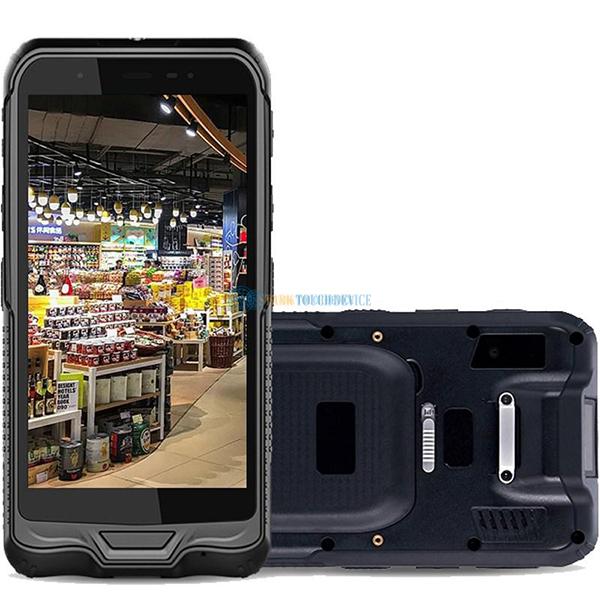
Real-Time Data Acquisition and Integration
Industrial control computers serve as the central nervous system of food processing lines, collecting and integrating data from various sensors and equipment in real time. These systems monitor critical parameters such as temperature, humidity, pressure, and flow rates throughout the production process. For instance, in dairy processing, ICCs track the pasteurization temperature to ensure compliance with safety standards, while in meat processing, they monitor cooling chain integrity to prevent bacterial growth.
The integration of data from multiple sources allows for a holistic view of production operations. By connecting with enterprise resource planning (ERP) systems, ICCs enable seamless data flow between production floors and management offices. This integration supports decision-making processes by providing accurate, up-to-date information on inventory levels, production schedules, and quality control metrics.
Enhancing Quality Control Through Automated Inspection
Automated inspection systems powered by industrial control computers have revolutionized quality control in food processing. Computer vision technology, integrated with ICCs, enables high-speed, non-destructive inspection of products on the line. These systems can detect defects, contaminants, and packaging irregularities with greater accuracy and speed than manual inspection methods.
For example, in bakery production, computer vision systems can identify undercooked or overcooked products, ensuring consistent quality. In fruit and vegetable processing, they can sort items based on size, color, and ripeness, optimizing product yield and reducing waste. The data generated by these inspections is fed back into the ICCs, allowing for immediate corrective actions and continuous process improvement.
Process Optimization and Predictive Maintenance
Industrial control computers leverage advanced analytics and machine learning algorithms to optimize food processing operations. By analyzing historical and real-time data, these systems can identify patterns and trends that indicate potential inefficiencies or equipment failures. This predictive capability enables proactive maintenance, reducing downtime and extending the lifespan of processing equipment.
For instance, in beverage bottling lines, ICCs can predict when filling nozzles need cleaning or replacement based on flow rate variations and product quality data. In freezing and chilling processes, they can adjust cooling parameters to minimize energy consumption while maintaining product quality. These optimizations not only improve operational efficiency but also contribute to sustainability goals by reducing resource waste.
Streamlining Supply Chain Traceability
Full-cycle traceability is a critical aspect of modern food safety management. Industrial control computers facilitate this by assigning unique identification codes to each batch of raw materials and finished products. These codes, often implemented through barcode or RFID technology, enable tracking of products throughout the supply chain.
ICCs integrate with traceability software to record and store data on raw material origins, processing conditions, and distribution channels. In the event of a food safety incident, this information can be quickly retrieved to identify affected products and initiate recalls if necessary. The ability to trace products back to their source also supports supplier accountability and helps prevent future incidents by identifying root causes.
Compliance with Regulatory Standards and Industry Best Practices
The food processing industry is subject to stringent regulatory standards and industry best practices. Industrial control computers play a vital role in ensuring compliance by automating documentation and reporting processes. These systems generate detailed production logs, quality control records, and traceability reports that can be easily accessed and audited by regulatory authorities.
By implementing ICC-based traceability solutions, food processors can demonstrate their commitment to food safety and quality to customers, regulators, and stakeholders. This transparency not only builds trust but also provides a competitive advantage in markets where consumers are increasingly concerned about the origins and safety of their food.
Future Trends and Innovations
As technology continues to evolve, industrial control computers in food processing lines are poised to become even more sophisticated. The integration of Internet of Things (IoT) sensors, artificial intelligence (AI), and blockchain technology promises to enhance traceability, quality control, and process optimization further.
IoT sensors will enable even more granular data collection, providing insights into previously unmeasurable aspects of production. AI algorithms will analyze this data to identify new optimization opportunities and predict future trends. Blockchain technology, with its immutable and transparent ledger, will strengthen supply chain traceability by providing a secure and verifiable record of product movements.
In conclusion, industrial control computers are indispensable tools for achieving full-cycle traceability in food processing lines. By enabling real-time data acquisition, process optimization, and compliance with regulatory standards, these systems support the production of safe, high-quality food products while enhancing operational efficiency and consumer trust. As technology advances, the role of ICCs in food processing will continue to expand, driving innovation and sustainability in the industry.