Welcome STARK TOUCH DEVICE!


Solutions
Support for hot-swappable components of industrial control computers
Hot-Swappable Component Support in Industrial Control Computers
Understanding Hot-Swapping in Industrial Environments
Hot-swapping allows operators to replace or upgrade components in industrial control computers without shutting down the system. This capability is critical in sectors like manufacturing, energy management, and transportation, where continuous operation is essential. By enabling on-the-fly maintenance, hot-swappable components minimize downtime and prevent costly production interruptions. For example, replacing a faulty storage drive or network card during operation ensures data accessibility and process continuity.
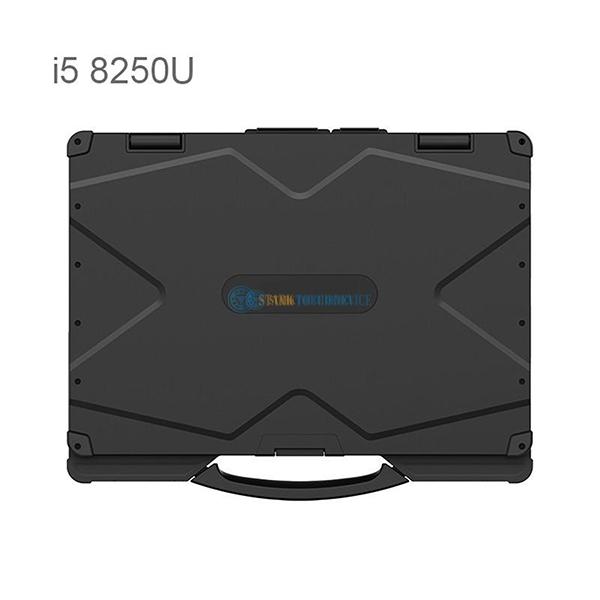
The technology relies on specialized hardware interfaces and firmware that manage power transitions and data synchronization. When a component is removed, the system automatically redistributes workloads or switches to backup modules, maintaining stability. This seamless transition is particularly valuable in automated systems, where manual reboots could disrupt synchronized processes or trigger safety protocols.
Key Components Supporting Hot-Swapping
Power Management Systems
Hot-swappable components require intelligent power management to prevent electrical surges or data corruption during insertion or removal. Industrial control computers integrate power supply units (PSUs) with soft-start and current-limiting features. These PSUs gradually apply power to new components, ensuring stable voltage levels and protecting sensitive electronics. Additionally, redundant power paths allow systems to draw power from alternate sources if one PSU fails, further enhancing reliability.
Modular Design Architecture
Modular designs form the backbone of hot-swappable systems. By compartmentalizing functions into discrete modules—such as I/O cards, storage drives, or communication interfaces—industrial computers can isolate failures and simplify replacements. Each module connects to a standardized backplane or bus, which handles data routing and power distribution. This architecture also supports mixed-vendor compatibility, enabling operators to use components from different manufacturers as long as they adhere to industry standards.
Advanced Firmware and Drivers
Firmware plays a pivotal role in managing hot-swapping operations. It monitors component status, detects insertions or removals, and triggers appropriate responses. For instance, when a new storage module is added, the firmware formats it, assigns a unique identifier, and integrates it into the system’s data-redundancy scheme. Similarly, drivers ensure software applications recognize and communicate with hot-swapped hardware without requiring manual reconfiguration.
Benefits for Industrial Operations
Reduced Downtime and Maintenance Costs
Hot-swapping eliminates the need for scheduled shutdowns, allowing maintenance teams to address issues during production cycles. This approach reduces labor costs and prevents revenue losses associated with halted operations. For example, in a food processing plant, replacing a malfunctioning sensor without stopping the conveyor belt ensures product quality and meets delivery deadlines.
Enhanced System Flexibility
Industrial environments often require rapid adaptations to changing demands. Hot-swappable components enable operators to upgrade storage capacity, add new communication protocols, or replace outdated peripherals without overhauling the entire system. This flexibility supports scalability, allowing businesses to expand their capabilities as market needs evolve.
Improved Safety and Reliability
By enabling immediate replacement of faulty components, hot-swapping reduces the risk of system failures that could compromise safety or product quality. In hazardous environments like chemical plants, a failed control module could trigger unsafe conditions. Hot-swappable designs ensure backups take over instantly, maintaining safe operation until repairs are completed.
Implementation Challenges and Solutions
Component Compatibility Issues
Not all hardware supports hot-swapping, and mixing incompatible components can lead to system instability. To address this, industries adopt standardized interfaces like PCI Express or USB 3.0, which define electrical and mechanical specifications for hot-pluggable devices. Additionally, pre-validation testing ensures components work seamlessly with existing systems before deployment.
Data Integrity Risks
Removing storage drives or memory modules during operation risks data corruption if not handled properly. Industrial control computers mitigate this by using write-caching mechanisms that temporarily hold data until the component is safely removed. Some systems also employ journaling file systems, which track changes and allow recovery in case of interruptions.
Thermal Management Considerations
Hot-swapping generates heat, especially when multiple components are replaced simultaneously. Effective cooling solutions, such as heat sinks, fans, or liquid cooling loops, prevent overheating. Thermal sensors monitor temperatures and adjust fan speeds or power throttling to maintain optimal operating conditions.
By integrating hot-swappable component support, industrial control computers achieve a balance between reliability and adaptability. This technology empowers businesses to maintain uninterrupted operations while accommodating future upgrades, ensuring long-term competitiveness in dynamic markets.