Welcome STARK TOUCH DEVICE!


Solutions
Precision control of industrial control computers in the printing equipment industry
Precision Control in Industrial Control Computers for Printing Equipment
In the dynamic world of printing, where high - quality output and consistent performance are paramount, precision control in industrial control computers for printing equipment holds the key to success. These specialized computing systems play a crucial role in ensuring that every print job meets the exacting standards set by the industry.
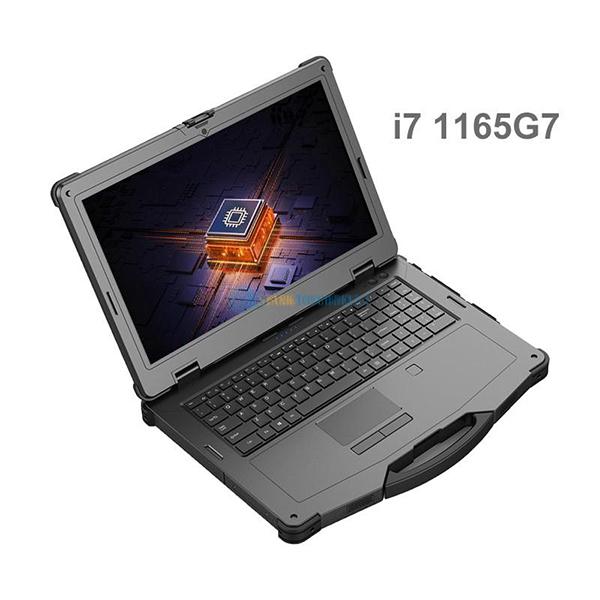
The Significance of Precision in Printing Equipment
Precision is the cornerstone of the printing process. From the alignment of colors to the accurate placement of images on the substrate, even the slightest deviation can result in sub - standard prints. In industrial printing, where large volumes of prints are produced, any inaccuracy can lead to significant waste of materials and time, impacting the overall profitability of the operation.
Impact on Print Quality
In offset printing, for example, precise control of ink flow and plate registration is essential. If the ink flow is not accurately regulated, it can lead to issues such as smudging, uneven color distribution, or insufficient ink coverage. Similarly, improper plate registration can cause misalignment of colors, resulting in blurry or out - of - focus images. In digital printing, precision is equally important in controlling the movement of the print head and the deposition of ink droplets to achieve sharp and detailed prints.
Consistency Across Print Runs
Maintaining consistency across multiple print runs is another critical aspect of precision in printing. Whether it's a large - scale commercial print job or a series of small - batch prints, customers expect the same level of quality throughout. Industrial control computers ensure that the printing parameters remain consistent from one print to the next, eliminating variations that could occur due to manual adjustments or environmental factors.
How Industrial Control Computers Achieve Precision Control
Industrial control computers are designed with advanced features and algorithms to achieve high - precision control in printing equipment.
Real - Time Monitoring and Feedback
These computers continuously monitor various parameters during the printing process, such as temperature, pressure, speed, and ink levels. By using sensors placed at strategic locations within the printing equipment, they collect real - time data and analyze it instantly. If any parameter deviates from the set values, the control computer sends immediate feedback to the relevant actuators to make the necessary adjustments. For instance, if the temperature of the printing plate rises above the optimal level, the computer can activate a cooling system to bring it back to the desired range, ensuring consistent ink transfer.
High - Resolution Positioning Control
In printing equipment, precise positioning of components such as print heads, plates, and substrates is crucial. Industrial control computers use high - resolution encoders and servo motors to achieve accurate positioning. The encoders provide detailed information about the position of the moving parts, while the servo motors can make fine - tuned adjustments based on the signals received from the control computer. This level of control ensures that the print head deposits ink at the exact location on the substrate, and the plates are properly aligned for multi - color printing.
Challenges and Solutions in Precision Control
Despite the advanced capabilities of industrial control computers, there are still challenges that need to be addressed to achieve optimal precision in printing equipment.
Environmental Factors
Environmental conditions such as temperature, humidity, and vibration can affect the performance of printing equipment and, consequently, the precision of the prints. For example, high humidity can cause the paper to expand or contract, leading to misalignment during printing. To overcome this challenge, industrial control computers can be integrated with environmental control systems. These systems can monitor the environmental conditions and adjust the printing parameters accordingly. For instance, if the humidity level is too high, the computer can slow down the printing speed to allow the paper to stabilize, ensuring accurate registration.
Software and Algorithm Limitations
The precision of industrial control computers also depends on the quality of the software and algorithms used. Outdated or poorly optimized software can lead to inaccurate control signals and sub - optimal performance. To address this issue, continuous research and development are required to improve the software algorithms. New algorithms can be designed to better handle complex printing scenarios, such as printing on irregularly shaped substrates or printing with multiple ink types simultaneously. Additionally, regular software updates can ensure that the control computers are equipped with the latest features and improvements.
Future Trends in Precision Control for Printing Equipment
As technology continues to advance, the future of precision control in industrial control computers for printing equipment looks promising.
Integration with Artificial Intelligence
The integration of artificial intelligence (AI) into industrial control computers is expected to take precision control to a new level. AI algorithms can analyze large amounts of historical and real - time data to predict potential issues and make proactive adjustments. For example, AI can predict when a print head is likely to clog based on its usage patterns and ink properties, and then initiate a cleaning cycle before the clog occurs, minimizing downtime and ensuring consistent print quality.
Enhanced Connectivity and Industry 4.0
With the rise of Industry 4.0, printing equipment is becoming more connected and intelligent. Industrial control computers will play a central role in this transformation by enabling seamless communication between different components of the printing system and with other systems in the manufacturing environment. This enhanced connectivity will allow for real - time data sharing, remote monitoring and control, and predictive maintenance, further improving the precision and efficiency of printing operations.
In conclusion, precision control in industrial control computers is essential for the success of printing equipment. By addressing the challenges and embracing future trends, the printing industry can continue to deliver high - quality, consistent prints that meet the evolving needs of customers.