Welcome STARK TOUCH DEVICE!


Solutions
Integrated design of industrial control all-in-one computers
Industrial All-in-One Computers: Integrated Design for Advanced Control Applications
Industrial automation environments demand computing solutions that combine processing power, connectivity, and durability in compact form factors. Industrial all-in-one (AIO) computers integrate core components—such as CPUs, displays, and I/O interfaces—into single units, reducing installation complexity and improving system reliability. These designs cater to applications requiring real-time control, visual monitoring, and harsh environment resilience.
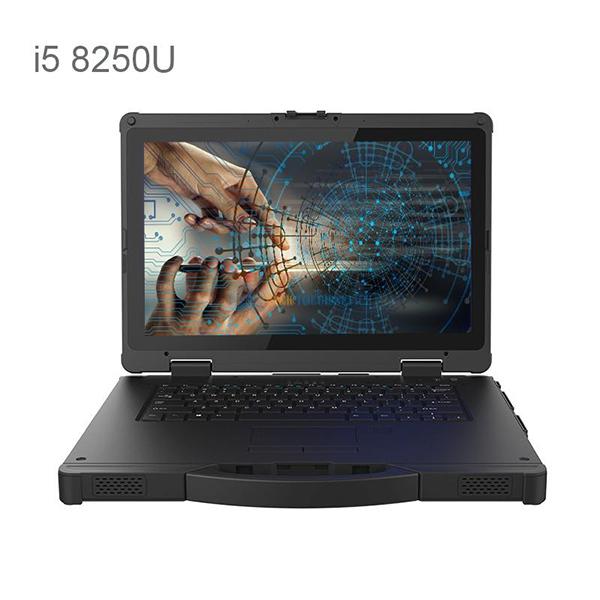
Key Advantages of Integrated Industrial AIO Designs
Space Efficiency and Reduced Cabling
Traditional setups often require separate computers, monitors, and external I/O modules, consuming valuable cabinet space and requiring extensive wiring. Integrated AIO computers consolidate these elements into rugged enclosures, cutting installation time by up to 60%. This streamlined approach is particularly valuable in compact control panels or mobile equipment like AGVs (Automated Guided Vehicles), where every inch matters.
Enhanced Environmental Resistance
Industrial AIOs feature fanless cooling systems and sealed enclosures to withstand dust, moisture, and vibrations. Thermal designs using heat pipes or conduction cooling eliminate moving parts, reducing failure rates in environments with constant shock or airborne contaminants. For example, food processing facilities benefit from IP65-rated units that resist washdown procedures without compromising internal components.
Improved System Reliability
Single-unit integration minimizes points of failure associated with cable connections or interface cards. Built-in watchdog timers and redundant power inputs ensure continuous operation, automatically rebooting systems after software crashes or power interruptions. Some designs incorporate self-diagnostics to alert operators to component degradation before catastrophic failures occur.
Core Components of Industrial AIO Architecture
High-Performance Processing Units
Modern industrial AIOs employ embedded processors optimized for deterministic control tasks. Multi-core CPUs handle simultaneous operations like motion control, data logging, and HMI rendering without lag. Advanced models integrate GPUs for machine vision applications, enabling real-time defect detection on production lines. These processors often support extended temperature ranges (-40°C to 70°C) to operate reliably in extreme conditions.
Rugged Display Technologies
Integrated touchscreens range from 7-inch to 24-inch diagonal sizes, featuring projective capacitive (PCAP) or resistive touch technologies. PCAP displays offer multi-touch capabilities for intuitive operator interfaces, while resistive screens work with gloves or styluses in dirty environments. Anti-reflective coatings and high-brightness backlights ensure visibility in direct sunlight or low-light factory settings.
Versatile I/O Integration
Industrial AIOs embed diverse communication ports directly into their chassis, eliminating the need for external adapters. Common interfaces include USB, Ethernet, RS-232/485, CAN bus, and fieldbus protocols like PROFINET or DeviceNet. Some designs incorporate wireless modules for IoT connectivity, enabling remote monitoring or over-the-air updates. Digital and analog I/O channels support direct connection to sensors and actuators, simplifying control loop implementation.
Design Considerations for Specific Applications
Motion Control Systems
AIO computers driving CNC machines or robotic arms require precise timing and low-latency I/O. Integrating real-time operating systems (RTOS) with hardware-assisted synchronization ensures sub-millisecond response times for encoder feedback and PWM outputs. Some models feature dedicated motion control coprocessors to offload complex trajectory calculations from the main CPU.
Visual Inspection Stations
Machine vision applications demand high-resolution displays and GPU acceleration for image processing. Industrial AIOs with 4K UHD screens and NVIDIA Jetson or Intel Movidius modules can analyze parts at speeds exceeding 100 frames per second. Built-in lighting controllers synchronize with cameras to optimize inspection conditions, reducing false reject rates in quality control processes.
Hazardous Environment Deployments
Explosion-proof AIO computers for oil and gas or chemical plants adhere to ATEX or IECEx standards, featuring intrinsically safe circuits and flame-retardant enclosures. These units often include dual-redundant power supplies and fail-safe shutdown mechanisms to prevent ignition risks. Sealed connectors and conduit fittings maintain certification integrity during installation and maintenance.
Advanced Integration Techniques
Edge Computing Capabilities
Embedding AI inference engines into industrial AIOs enables local data processing, reducing latency and bandwidth usage. For instance, a vibration analysis module integrated with analog inputs can detect bearing faults in real time, triggering alerts before equipment failure. This edge intelligence is critical in remote locations like wind farms, where continuous cloud connectivity may be unreliable.
Cybersecurity Hardening
Integrated designs incorporate hardware-based security features to protect against cyber threats. Trusted Platform Modules (TPMs) store encryption keys, while secure boot mechanisms verify firmware integrity during startup. Some models include physical isolation between network interfaces and control I/O, preventing unauthorized access to safety-critical functions.
Modular Expansion Options
While compact, many industrial AIOs support field upgrades through modular bays or expansion slots. Users can add specialized interfaces like additional Ethernet ports, wireless cards, or storage drives without replacing the entire unit. This flexibility extends product lifespans as application requirements evolve, protecting investment in control infrastructure.
Industry-Specific Implementation Examples
Automotive Assembly Lines
Body-in-white welding stations use industrial AIOs to coordinate robotic arms, weld controllers, and quality sensors. The integrated display shows real-time welding parameters, while embedded I/O channels monitor pneumatic cylinder pressures and torch positions. Dual Ethernet ports connect to plant-wide MES systems for production tracking and traceability.
Pharmaceutical Packaging
Cleanroom environments rely on AIO computers to control filling machines and inspection systems. The units process weight sensor data to adjust dosing accuracy while capturing images of product labels for verification. Fanless designs prevent contamination risks, and IP69K ratings withstand aggressive cleaning procedures between production batches.
Water Treatment Facilities
SCADA systems managing pump stations and filtration units use industrial AIOs to monitor flow rates, water levels, and chemical concentrations. Fieldbus interfaces connect to remote sensors, while analog outputs regulate valve positions to maintain optimal treatment parameters. Built-in redundancy ensures uninterrupted operation during equipment maintenance or power fluctuations.
By integrating computing, display, and I/O functions into rugged, space-efficient packages, industrial all-in-one computers deliver reliable performance in demanding automation environments. Their adaptability supports the transition to Industry 4.0, where connected systems and intelligent control are essential for optimizing productivity and product quality.