Welcome STARK TOUCH DEVICE!


Solutions
Mining industry control computer equipment control
Industrial Control Computers in Mining Operations: Enhancing Efficiency and Safety Through Advanced Automation
Mining operations are increasingly reliant on industrial control computers to manage complex processes, optimize resource utilization, and ensure worker safety. These systems integrate real-time data acquisition, precise equipment control, and predictive analytics to address the unique challenges of mining environments, from underground shafts to open-pit sites. By leveraging automation technologies, mining companies can achieve higher productivity while mitigating risks associated with hazardous conditions.
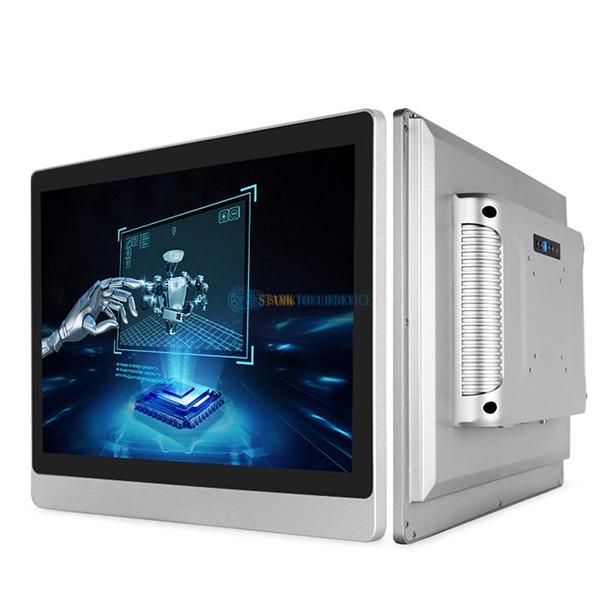
Real-Time Monitoring and Fault Diagnosis
One of the primary functions of industrial control computers in mining is enabling continuous monitoring of machinery and environmental conditions. Sensors deployed across mining equipment collect data on parameters such as temperature, vibration, pressure, and motor performance. This information is processed in real time to detect anomalies or signs of impending failure. For example, if a conveyor belt motor exhibits unusual vibrations, the system triggers an alert, allowing maintenance teams to intervene before a breakdown occurs. Such proactive maintenance reduces downtime and extends equipment lifespan.
In underground mining, where conditions are particularly harsh, these systems play a critical role in ensuring safety. By monitoring atmospheric composition—including levels of methane, carbon monoxide, and oxygen—industrial computers can detect hazardous gas buildups and initiate ventilation adjustments or evacuation protocols. Similarly, structural integrity sensors in mine walls and ceilings provide early warnings of potential collapses, enabling timely reinforcement or evacuation.
Precision Control of Heavy Machinery
Mining operations rely on large-scale machinery such as excavators, haul trucks, and drilling rigs, which require precise control to operate efficiently and safely. Industrial control computers facilitate this through advanced motor control algorithms and communication protocols like CAN Bus or J1939. These systems enable operators to adjust equipment parameters dynamically, optimizing performance for specific tasks. For instance, a hydraulic excavator’s arm movement can be fine-tuned to reduce energy consumption while maintaining productivity.
In automated mining scenarios, industrial computers serve as the brain of autonomous vehicles and machinery. Equipped with GPS, LiDAR, and computer vision, these systems navigate open-pit mines or underground tunnels with minimal human intervention. They adjust speed, direction, and load handling based on real-time terrain data and production targets, improving operational efficiency and reducing labor costs. The integration of artificial intelligence further enhances decision-making, enabling machines to adapt to changing conditions without manual input.
Enhancing Safety Through Personnel Tracking and Situational Awareness
Worker safety is a top priority in mining, and industrial control computers contribute significantly through personnel tracking and situational awareness systems. Wearable devices or RFID tags transmit workers’ locations to a central control room, where operators monitor movement in real time. If a worker enters a restricted or hazardous zone, the system sends an immediate alert, preventing accidents. In emergencies, such as cave-ins or fires, tracking data helps rescue teams locate trapped individuals quickly.
Situational awareness systems extend this capability by aggregating data from multiple sources, including equipment sensors, environmental monitors, and communication devices. For example, if a ventilation fan fails, the system not only alerts maintenance crews but also identifies affected areas and reroutes personnel away from danger. This holistic view of mine conditions enables faster, more informed decision-making during crises, reducing the likelihood of fatalities or injuries.
Optimizing Energy Management and Resource Utilization
Energy efficiency is a growing concern in mining, as operations often consume vast amounts of power for lighting, ventilation, and machinery. Industrial control computers address this by optimizing energy distribution and consumption. Smart grids within mines adjust power supply based on real-time demand, prioritizing critical systems during peak usage. For example, ventilation fans may operate at reduced speed during low-activity periods, cutting energy costs without compromising air quality.
Resource utilization is another area where these systems excel. By analyzing production data, industrial computers identify inefficiencies in ore extraction, processing, and transportation. For instance, if a crushing plant consistently underperforms, the system may recommend adjustments to feed rates or equipment settings. Over time, such optimizations lead to higher yields and lower operational costs, improving the mine’s profitability.
Conclusion
Industrial control computers have become indispensable tools in modern mining, driving efficiency, safety, and sustainability. From real-time monitoring and precision machinery control to personnel tracking and energy optimization, these systems address the sector’s most pressing challenges. As mining operations continue to evolve, the integration of advanced technologies like AI and IoT will further enhance the capabilities of industrial computers, paving the way for smarter, safer, and more productive mines. By embracing these innovations, mining companies can not only improve their bottom line but also reduce their environmental footprint and protect their workforce in increasingly complex environments.