Welcome STARK TOUCH DEVICE!


Solutions
Configuration software adaptation for industrial control computers
Industrial Control Computer Configuration Software Adaptation: Ensuring Seamless Integration in Complex Environments
Adapting configuration software for industrial control computers (ICCs) requires careful consideration of hardware capabilities, operational requirements, and long-term maintainability. Unlike standard software installations, ICC configuration tools must operate reliably in harsh environments while providing intuitive interfaces for operators with varying technical expertise. This adaptation process bridges the gap between raw computing power and actionable industrial automation solutions.
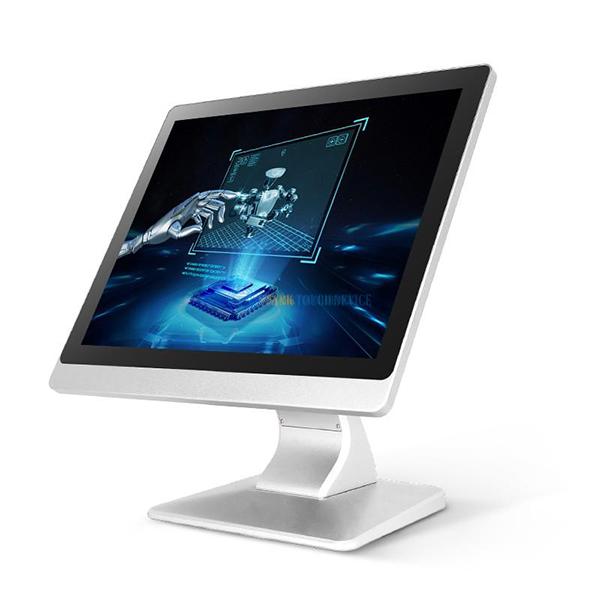
Key Considerations for Software-Hardware Compatibility
Real-Time Performance Optimization
Industrial processes often demand millisecond-level response times, making performance tuning essential. Configuration software must:
Prioritize critical control loops in CPU scheduling
Minimize latency in data acquisition and command execution
Implement deterministic behavior for time-sensitive operations
A chemical processing plant might require its configuration software to maintain consistent scan cycles for pH control systems, even when other non-critical monitoring tasks are running concurrently. This demands careful optimization of thread priorities and memory allocation within the software architecture.
Environmental Resilience Features
ICCs frequently operate in challenging conditions that standard software can't tolerate. Adaptation should include:
Extended temperature range support for both storage and operation
Enhanced vibration and shock resistance for mobile equipment
Protection against electrical noise and power fluctuations
An automotive assembly line using robotic welding stations would need configuration software that continues functioning despite electromagnetic interference from welding arcs and maintains stability during rapid robot movements that cause significant vibrations.
Legacy System Integration Capabilities
Many industrial facilities maintain older equipment alongside new technology. Effective adaptation requires:
Support for multiple communication protocols (Modbus, Profibus, Ethernet/IP)
Driver development for discontinued hardware interfaces
Data mapping between legacy and modern systems
A paper mill upgrading its control infrastructure might need its configuration software to bridge communication between new ICCs and decades-old pulp flow meters that only support serial communication, ensuring seamless data flow across the entire production line.
User Interface Design for Industrial Contexts
Operator-Centric Visualization
Configuration software must present information in ways that match operational workflows:
Customizable dashboards showing only relevant KPIs per role
Color-coded status indicators for quick recognition of normal/abnormal conditions
Context-sensitive help systems providing guidance during critical operations
A power generation facility's control room might configure its software to display turbine vibration levels prominently for maintenance staff while showing grid connection status more prominently for operators, with both views accessible from the same interface but prioritized differently.
Multi-Level Access Control
Different user roles require different interaction capabilities:
View-only access for supervisors monitoring production
Limited parameter adjustment for process technicians
Full configuration rights for system engineers
Emergency override capabilities for authorized personnel
In a food processing plant, this might mean line operators can acknowledge alarms but not silence them, while quality control personnel can adjust temperature setpoints within predefined ranges, and only plant managers can modify those range limits.
Mobile and Remote Access Support
Modern industrial operations demand flexibility in how users interact with control systems:
Secure HTML5 interfaces for browser-based access
Dedicated mobile apps with optimized touch controls
VPN integration for remote troubleshooting
Offline functionality for areas with unreliable connectivity
A mining operation might equip its field technicians with tablets running configuration software that allows them to view equipment status while underground, adjust parameters when needed, and sync changes once they return to surface-level network coverage areas.
Long-Term Maintenance and Scalability Strategies
PREVIOUS:Redundant backup function of industrial control computers
NEXT:Hierarchical management of permissions for industrial control computers