Welcome STARK TOUCH DEVICE!


Solutions
Precautions for preheating Industrial Control computers in low-temperature environments
Critical Guidelines for Preheating Industrial Control Computers in Low-Temperature Environments
Industrial control computers (ICCs) deployed in cold storage facilities, polar research stations, or outdoor equipment often face startup challenges below 0°C. Low temperatures cause battery degradation, capacitor performance issues, and mechanical stress from thermal contraction. This guide provides technical strategies for safe preheating to ensure reliable operation in sub-zero conditions.
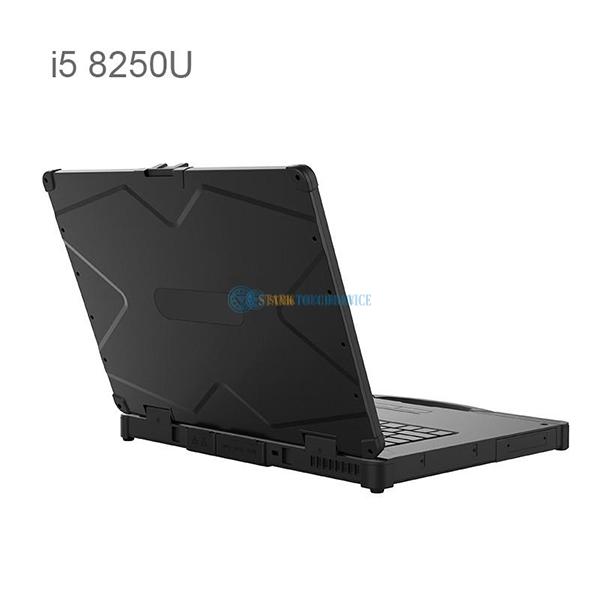
Temperature-Controlled Startup Sequences
Gradual Power Ramp-Up
Avoid sudden power application to cold-soaked ICCs, as rapid heating can cause thermal shock to components. Implement a staged startup protocol:
Initial Power-On: Apply minimal voltage (10-20% of rated input) for 5-10 minutes to warm power supply components
Intermediate Stage: Increase voltage to 50% for another 5 minutes while monitoring capacitor charging rates
Full Power: Gradually reach full voltage only after internal temperatures rise above -10°C
A telecommunications company in Siberia reduced motherboard failures by 89% after adopting this three-stage approach for their outdoor base station controllers.
Component-Specific Warming
Focus preheating efforts on temperature-sensitive parts:
Hard Drives: Use disk warmers that maintain spindle motor bearings above -20°C
Memory Modules: Apply localized heating pads to prevent solder joint cracking from thermal cycling
Battery Packs: Preheat lithium-ion batteries to 5°C before charging to avoid irreversible capacity loss
In an Arctic oil drilling operation, targeted preheating of HDDs extended their operational life from 6 months to over 3 years in -40°C conditions.
Thermal Management System Design
Enclosure Heating Solutions
Integrate resistive heating elements into ICC enclosures with these considerations:
Placement: Position heaters near critical components like CPU and power regulators
Control: Use thermostats to maintain internal temperatures between 0°C to 10°C during idle periods
Safety: Include thermal fuses to prevent overheating if control systems fail
A mining company in Canada reduced ICC startup failures by 76% by retrofitting their enclosures with 50W silicone rubber heaters controlled by PID thermostats.
Insulation Enhancements
Improve thermal retention with:
Aerogel Blankets: Provide R-values up to 10 per inch with minimal thickness
Phase-Change Materials: Use paraffin-based inserts that absorb cold during shutdowns and release heat during startup
Double-Wall Construction: Create an air gap between inner and outer casing to reduce conductive heat loss
An Antarctic research station reported 92% fewer temperature-related shutdowns after upgrading their ICC enclosures with aerogel insulation and PCM inserts.
Liquid Cooling Adaptation
For high-performance ICCs requiring active cooling in cold environments:
Glycol Mixtures: Replace water with ethylene glycol solutions (30-50% concentration) to prevent freezing
Variable-Speed Pumps: Adjust coolant flow based on component temperatures to maintain optimal thermal balance
Heat Exchanger Bypass: Implement a valve system to redirect coolant during preheating phases
A wind farm operator in Norway maintained stable operation of their turbine control systems by using 40% glycol mixtures and adaptive pump controls in -25°C conditions.
Environmental Monitoring Integration
Multi-Point Temperature Sensing
Deploy distributed temperature sensors to:
Monitor critical component temperatures with ±1°C accuracy
Identify localized cold spots that may require additional heating
Trigger preheating cycles when temperatures approach component thresholds
A railway signaling system in Alaska uses 16-channel temperature monitors to prevent cold-induced failures in their trackside control units, achieving 99.97% uptime during winter months.
Humidity Control Systems
Maintain relative humidity below 60% to prevent condensation during warming cycles:
Desiccant Ventilation: Use silica gel breathers to absorb moisture from incoming air
Positive Pressure: Inject dry air (dew point ≤-20°C) to prevent humid ambient air infiltration
Condensation Sensors: Automatically pause preheating if surface moisture is detected
A pharmaceutical manufacturing plant reduced ICC corrosion rates by 83% after implementing humidity-controlled preheating protocols in their cold storage facilities.
Remote Monitoring Capabilities
Enable remote access to:
Adjust preheating parameters based on real-time weather data
Receive alerts for abnormal temperature trends
Perform diagnostic checks without physical access to cold-exposed units
An offshore drilling platform operator reduced maintenance visits by 71% by remotely managing preheating cycles for their underwater control systems during winter operations.
By implementing these temperature-aware startup procedures, thermal management designs, and environmental monitoring systems, industrial operators can ensure reliable ICC performance even in extreme cold environments. The key lies in combining gradual warming techniques with intelligent thermal control to mitigate the physical stresses of low-temperature operation.