Welcome STARK TOUCH DEVICE!


Solutions
Energy-saving Industrial Control Computer Power Consumption Considerations
Power Consumption Considerations for Energy - Efficient Industrial Control Computers
Understanding Power Consumption Components
The power consumption of an energy - efficient industrial control computer is composed of several key elements. The central processing unit (CPU) is a major power - hungry component. Its power usage depends on factors such as clock speed, number of cores, and the type of tasks it's performing. For instance, a high - performance CPU running complex real - time control algorithms will consume more power compared to a low - power CPU handling simple monitoring tasks.
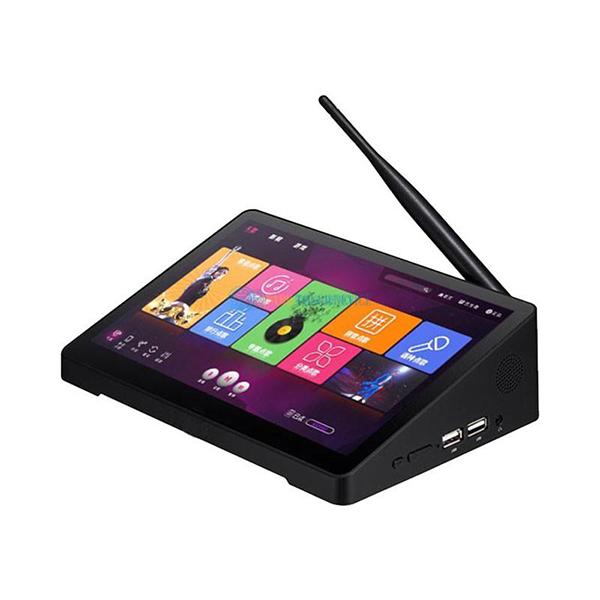
The graphics processing unit (GPU), if present in the industrial control computer, also contributes significantly to power consumption. In applications that require high - end graphics rendering, such as visual inspection systems in manufacturing, the GPU may be constantly active, drawing a substantial amount of power. However, for basic industrial control tasks that don't involve graphics - intensive operations, a computer with an integrated or low - power GPU can be a more energy - efficient choice.
Memory and Storage Power Draw
Memory modules, including random - access memory (RAM) and storage devices like solid - state drives (SSDs) or hard disk drives (HDDs), also consume power. RAM requires power to maintain the data it stores, and the more RAM a computer has, the higher its power consumption in this regard. SSDs generally consume less power than HDDs because they have no moving parts. In an energy - efficient industrial control computer, using an appropriate amount of RAM and opting for SSDs can help reduce overall power usage.
The power supply unit (PSU) is responsible for converting the incoming electrical power into the voltages required by the computer's components. An inefficient PSU can waste a significant amount of power as heat. Choosing a PSU with a high efficiency rating, such as 80 Plus Bronze, Silver, Gold, or Platinum, ensures that more of the input power is effectively used by the computer, reducing energy waste.
Operating Conditions and Power Consumption
The operating environment of an industrial control computer has a direct impact on its power consumption. Temperature is a crucial factor. High ambient temperatures can cause the computer's components to heat up more quickly, leading to increased power consumption as the cooling system works harder to maintain optimal operating temperatures. For example, in a factory with poor ventilation or in a hot climate, the fans in the computer may need to run at higher speeds, consuming more power.
Duty Cycle and Power Management
The duty cycle of the industrial control computer, which refers to the proportion of time it is actively performing tasks versus being in an idle state, also affects power consumption. Computers that are constantly running at full load will consume more power than those that can enter low - power states during idle periods. Energy - efficient industrial control computers often support advanced power management features, such as sleep mode and hibernation.
Sleep mode allows the computer to reduce its power consumption by shutting down non - essential components while keeping the system state in memory. When the computer is awakened, it can quickly resume normal operation. Hibernation, on the other hand, saves the system state to the storage device and completely powers off the computer, consuming even less power. By utilizing these power management features effectively, the overall power consumption of the industrial control computer can be significantly reduced.
Software and Application - Level Power Optimization
The software running on the industrial control computer plays a vital role in power consumption. Operating systems can be optimized for energy efficiency. For example, some operating systems have built - in power - saving settings that can adjust the performance of the computer's components based on the current workload. These settings can limit the CPU's clock speed, reduce the screen brightness (if applicable), and put hard drives to sleep when not in use.
Application - Specific Power Considerations
The applications running on the industrial control computer also need to be designed with power efficiency in mind. For real - time control applications, it's important to optimize the algorithms to minimize the amount of processing required. This can reduce the CPU's workload and, consequently, its power consumption. In data - intensive applications, such as those involving large - scale data acquisition and analysis, efficient data storage and retrieval methods can be employed to reduce the power used by the storage devices.
Additionally, using software that can monitor and control the power usage of individual components in real - time can be beneficial. This allows operators to identify power - hungry components and take appropriate actions, such as adjusting their settings or replacing them with more energy - efficient alternatives. By focusing on software and application - level power optimization, the overall energy efficiency of the industrial control computer can be enhanced.