Welcome STARK TOUCH DEVICE!


Solutions
Warehouse logistics sorting industrial control computer management
Industrial Control Computer Management for Warehouse Logistics Sorting Systems
Real-Time Package Tracking and Route Optimization
Modern warehouse sorting operations depend on industrial control computers to manage package flow with precision. These systems integrate data from barcode scanners, RFID readers, and dimensional weighing stations to create comprehensive package profiles. Control algorithms analyze this information to determine optimal sorting paths, considering factors like destination, size, weight, and priority level.
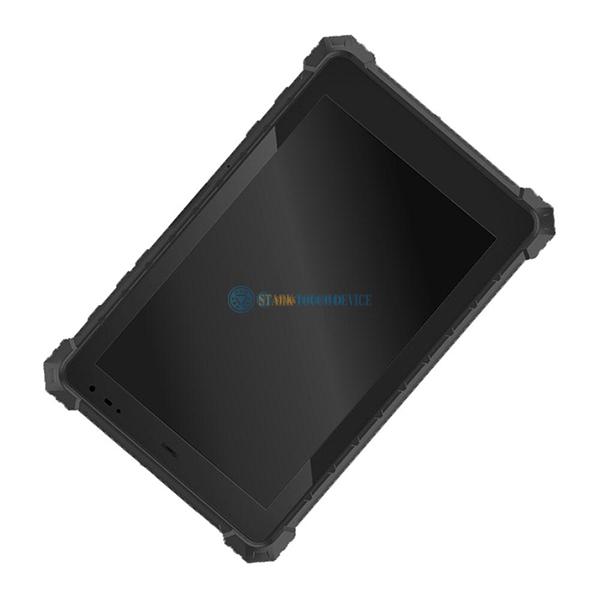
As packages move through conveyor networks, control computers continuously update their positions using sensor feedback from photoeyes and encoders. When multiple packages converge at sorting junctions, the systems calculate the most efficient sequencing to prevent jams while maintaining throughput targets. They adjust conveyor speeds dynamically based on real-time package density measurements.
The computers also coordinate with automated guided vehicles (AGVs) or robotic shuttles for non-conveyable items. They assign transport tasks based on current vehicle locations, battery levels, and package urgency. Route optimization algorithms minimize travel distances while avoiding congested areas, ensuring timely delivery to sorting stations.
Dynamic Sorting Algorithm Implementation
Industrial control computers execute sophisticated sorting logic that adapts to changing operational conditions. During peak periods, they may prioritize time-sensitive shipments by allocating more sorting resources to those streams. The systems can reconfigure sorting criteria on-the-fly when special handling requirements emerge, such as hazardous materials or temperature-sensitive goods.
For high-volume operations, control computers implement parallel sorting strategies using multiple diverters and chutes. They balance load distribution across sorting lanes to prevent overloading any single path. The systems monitor sort accuracy through verification scans at destination points, automatically adjusting calibration parameters when mis-sorts exceed thresholds.
When integrating with order management systems, control computers receive wave picking instructions and translate them into sorting sequences. They coordinate with picking robots or manual pick stations to synchronize package arrival with sorting capacity. This prevents bottlenecks at induction points while maintaining optimal conveyor occupancy levels.
Equipment Health Monitoring and Preventive Maintenance
Continuous operation of sorting equipment demands proactive maintenance strategies managed by industrial control computers. These systems collect performance data from motors, belts, rollers, and diverters, tracking metrics like vibration, temperature, and operating hours. Predictive algorithms analyze this information to forecast component failures before they occur.
When potential issues are detected, control computers generate maintenance alerts with prioritization based on criticality. They coordinate with warehouse management systems to schedule repairs during low-activity periods, minimizing disruption to sorting operations. The systems may automatically reroute packages around affected equipment while maintenance is performed.
Maintenance records stored in the control system provide historical data for optimizing service intervals. By analyzing failure patterns, engineers can refine predictive models and adjust preventive maintenance schedules to better match actual equipment wear rates under current operating conditions.
Integration with Warehouse Management Systems
Industrial control computers serve as the technical bridge between sorting equipment and higher-level warehouse management systems (WMS). They translate business rules from the WMS into actionable control commands for sorting machinery. This includes implementing special handling instructions, adjusting sort priorities based on inventory levels, and updating package status in real-time.
The systems provide bidirectional data flow, sending sorting performance metrics back to the WMS for reporting and analysis. This includes throughput rates, sort accuracy figures, and equipment utilization statistics. The WMS can use this information to optimize inventory placement strategies, reducing average package travel distances through the warehouse.
During system upgrades or process changes, control computers facilitate smooth transitions by maintaining compatibility with both legacy and new WMS interfaces. They store multiple configuration profiles that can be activated as needed to support different operational modes or temporary workflows.
Energy Efficiency Management in Sorting Operations
Large-scale sorting facilities consume significant energy, making efficient operation critical for cost control. Industrial control computers optimize energy usage by adjusting equipment operation based on real-time demand. During lulls in package flow, they may reduce conveyor speeds or activate sleep modes for non-critical components.
The systems coordinate with building management systems to align sorting operations with utility peak/off-peak schedules when possible. They can delay non-time-sensitive sorting tasks to off-peak hours to take advantage of lower electricity rates. Some implementations use regenerative braking systems on conveyors to capture and reuse energy during deceleration.
Lighting control represents another optimization opportunity, with control computers activating illumination only in active sorting zones. They may also adjust HVAC settings based on equipment heat generation patterns, maintaining optimal operating temperatures while minimizing energy waste.
Operator Interface and Workflow Support
Industrial control computers provide warehouse operators with intuitive interfaces to monitor and interact with sorting systems. These interfaces display real-time status information including package counts, sort accuracy, and equipment health indicators. Operators can view visual representations of conveyor networks with color-coded alerts for issues requiring attention.
The systems support manual intervention capabilities when automated processes require adjustment. Operators can pause specific sorting lanes, override default routing rules, or manually input package destinations through the interface. Control computers validate these inputs against operational constraints before implementing changes.
Training functions integrated into the control system help new operators learn sorting procedures and troubleshooting techniques. Interactive guides walk users through common maintenance tasks and system recovery procedures. The systems may also provide performance feedback to operators to encourage efficient sorting practices.