Welcome STARK TOUCH DEVICE!


Solutions
Intelligent Grid Industrial Control Computer Monitoring
Industrial Control Computer Monitoring for Smart Grid Operations
Real-Time Grid Data Acquisition and Processing
Smart grid monitoring relies on industrial control computers to collect and analyze vast amounts of operational data from diverse sources. These systems integrate information from substations, renewable energy sources, and consumer-side meters through high-speed communication networks. The computers process this data in real-time to provide accurate representations of grid conditions across different voltage levels and geographic regions.
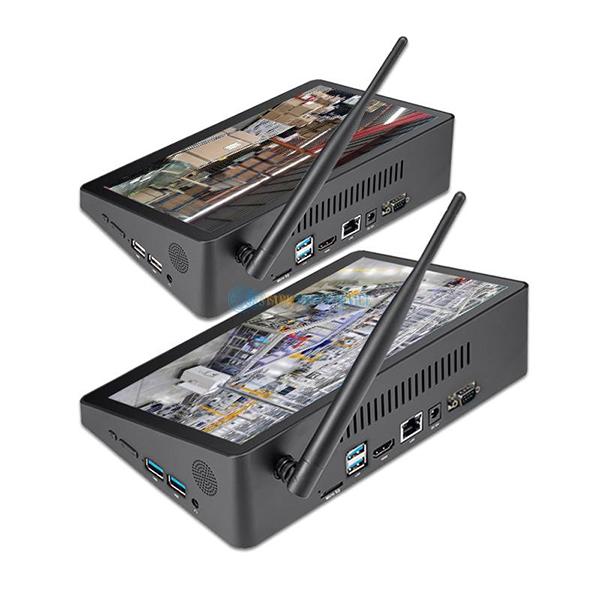
Advanced algorithms running on these control systems detect anomalies in voltage, frequency, and power flow patterns. They correlate data from multiple sensors to distinguish between normal fluctuations and potential equipment failures or cyber threats. The systems prioritize critical alerts while filtering out non-essential notifications to prevent operator overload.
Data preprocessing capabilities include time-stamping, quality validation, and normalization of measurements from different device types. Control computers store historical data in structured formats that support trend analysis and predictive modeling applications. They maintain data integrity through redundant storage and checksum verification mechanisms.
Distributed Energy Resource Coordination
The integration of renewable energy sources like solar and wind requires sophisticated monitoring solutions. Industrial control computers manage bidirectional power flows between the main grid and distributed generation sites. They continuously adjust output levels from these sources based on real-time demand forecasts and weather predictions.
For solar installations, control systems monitor panel efficiency, inverter status, and weather conditions to optimize energy production. They coordinate with battery storage systems to determine optimal charging/discharging cycles based on grid requirements and electricity pricing signals. Wind farm monitoring includes tracking turbine performance, wind speed patterns, and gearbox health indicators.
The computers implement demand response programs by communicating with smart meters at consumer locations. They adjust power delivery to participating customers during peak periods while maintaining service quality for non-participating users. This coordination helps balance supply and demand without compromising grid stability.
Grid Equipment Health Management
Proactive maintenance of grid infrastructure depends on comprehensive monitoring capabilities. Industrial control computers collect operational data from transformers, circuit breakers, and transmission lines through embedded sensors. They analyze vibration, temperature, and partial discharge measurements to detect incipient failures before they cause outages.
For transformers, control systems monitor oil temperature, winding temperature, and gas-in-oil analysis results. They apply thermal models to predict remaining useful life and recommend maintenance intervals. Circuit breaker monitoring includes tracking operation counts, trip times, and contact wear indicators to schedule replacements before reliability issues arise.
The computers maintain equipment inventories with detailed maintenance histories and performance benchmarks. They generate work orders automatically when parameters exceed thresholds, prioritizing tasks based on criticality and resource availability. Maintenance teams access this information through mobile interfaces while in the field.
Cybersecurity Protection for Grid Control Systems
As smart grids become more interconnected, cybersecurity becomes paramount. Industrial control computers implement multi-layered security frameworks to protect against unauthorized access and malicious attacks. These include firewalls, intrusion detection systems, and encryption protocols for all communication channels.
The systems enforce strict access controls with role-based permissions and multi-factor authentication requirements. They maintain audit trails of all operator actions and system changes to support forensic investigations after security incidents. Regular vulnerability assessments identify potential weaknesses in software configurations or network architectures.
Control computers participate in security information sharing networks to stay updated on emerging threats. They implement anomaly detection algorithms that learn normal operational patterns and flag deviations that might indicate compromise attempts. Incident response protocols guide operators through containment and recovery procedures when breaches occur.
Adaptive Load Forecasting and Resource Allocation
Accurate load forecasting enables efficient grid operation and resource planning. Industrial control computers analyze historical consumption patterns, weather data, and economic indicators to predict future demand with high precision. They incorporate machine learning techniques that improve forecast accuracy over time as more data becomes available.
The systems use these forecasts to optimize generation scheduling across different power plant types. They balance cost considerations with reliability requirements when allocating resources between base load, peaking, and renewable sources. During unexpected demand spikes, control computers activate reserve capacity or implement load shedding protocols as last resorts.
For microgrid implementations, control computers manage local generation and storage resources to maintain service during main grid outages. They coordinate with building management systems to prioritize critical loads and minimize disruptions to essential services. These adaptive capabilities enhance grid resilience against natural disasters and other disruptive events.
Operator Training and Human-Machine Collaboration
Effective grid monitoring requires well-trained personnel who understand both technical systems and operational procedures. Industrial control computers support training programs through simulation interfaces that replicate real-world scenarios without risking actual grid stability. Trainees practice responding to equipment failures, cyber attacks, and demand surges in these virtual environments.
The systems provide decision support tools that suggest optimal actions during abnormal situations. These recommendations consider multiple variables including safety protocols, regulatory requirements, and economic impacts. Operators can accept, modify, or override suggestions based on their judgment and experience.
Human-machine interfaces display information in intuitive formats with customizable dashboards. Color-coded alerts and graphical representations help operators quickly assess situations and prioritize actions. The systems support multilingual interfaces to accommodate diverse workforce compositions in global operations.