Welcome STARK TOUCH DEVICE!


Solutions
Production control of photovoltaic modules using industrial computers for scheduling
Industrial Control Computer Scheduling for Photovoltaic Module Production
Real-Time Production Line Coordination
Photovoltaic module manufacturing involves multiple interconnected processes requiring precise timing and resource allocation. Industrial control computers serve as the central nervous system, synchronizing equipment operations across laminating, framing, and testing stations. These systems receive input from sensors monitoring material flow, equipment status, and environmental conditions to adjust production schedules dynamically.
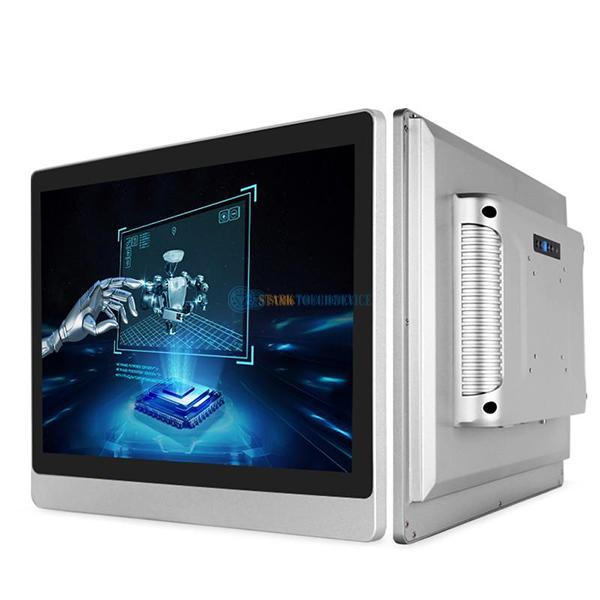
Scheduling algorithms prioritize tasks based on equipment availability, material readiness, and quality control requirements. For example, when laminators complete a batch, the control computer immediately routes finished modules to the appropriate framing station while initiating preheating cycles for the next laminating cycle. This seamless transition minimizes idle time and maintains consistent throughput.
The systems incorporate buffer management strategies to handle process variability. Control computers track inventory levels at intermediate storage areas between production stages, adjusting scheduling parameters when buffers approach capacity limits. This prevents bottlenecks that could disrupt the entire production flow.
Material Flow Optimization Strategies
Efficient material handling proves critical in PV module production due to the fragile nature of solar cells and glass components. Industrial control computers optimize conveyor speeds and routing paths based on real-time demand signals from downstream processes. They coordinate automated guided vehicles (AGVs) for just-in-time delivery of raw materials to production stations.
Scheduling systems implement pull-based production principles, triggering material replenishment only when workstations signal depletion. Control computers analyze historical consumption patterns to predict future material needs, maintaining optimal inventory levels without overstocking. This approach reduces handling damage and storage costs while ensuring continuous production.
For multi-product lines producing different module types, control computers manage changeover sequences efficiently. They calculate the most time-effective order for product transitions based on equipment setup requirements and material availability. This minimizes downtime during product switches while maintaining quality standards for each module variant.
Quality Control Integration in Scheduling
Modern PV production demands rigorous quality assurance at every stage. Industrial control computers incorporate quality inspection results into their scheduling decisions. When testing stations identify defects in specific modules, the system automatically reroutes them to rework areas while adjusting schedules for subsequent processes to compensate.
Statistical process control (SPC) data feeds into scheduling algorithms to identify potential quality risks. Control computers analyze measurement trends from inline inspection systems, predicting when equipment might require calibration or maintenance. They reschedule affected production batches to alternative lines during maintenance windows, preventing quality issues from spreading.
The systems also coordinate sampling schedules for laboratory testing. Control computers ensure representative samples from each production batch reach testing facilities at appropriate intervals, maintaining statistical validity without disrupting continuous production flows. They adjust line speeds temporarily if sampling requirements create temporary bottlenecks.
Energy Consumption Management During Production
Photovoltaic module manufacturers face increasing pressure to reduce their carbon footprint. Industrial control computers optimize energy usage across production facilities by scheduling high-power processes during off-peak utility hours when possible. They coordinate equipment operation to minimize simultaneous high-energy demands.
Scheduling systems incorporate weather forecasts for facilities using solar power generation. Control computers adjust production plans based on predicted solar irradiance, prioritizing energy-intensive processes during peak solar output periods. This reduces reliance on grid electricity and lowers operational costs.
The systems monitor real-time energy consumption at the equipment level, identifying opportunities for process optimization. When control computers detect abnormal energy usage patterns, they trigger diagnostic routines and reschedule affected processes to less critical times until repairs can be made. This proactive approach prevents energy waste from malfunctioning equipment.
Maintenance Scheduling for Production Uptime
Maximizing equipment availability requires intelligent maintenance scheduling. Industrial control computers implement predictive maintenance strategies by analyzing operational data from production machinery. They track vibration, temperature, and cycle count metrics to forecast component failures before they occur.
Scheduling algorithms prioritize maintenance tasks based on criticality and production impact. Control computers group maintenance activities for related equipment during planned production pauses, minimizing total downtime. They automatically adjust production schedules to accommodate maintenance windows while maintaining delivery commitments.
The systems maintain detailed maintenance histories for each piece of equipment, optimizing future scheduling decisions. Control computers analyze past failure patterns to determine optimal maintenance intervals for specific components under current operating conditions. This data-driven approach extends equipment lifespan and improves overall production reliability.
Human-Machine Collaboration in Scheduling
While automation plays a central role, effective PV production scheduling requires human oversight. Industrial control computers provide operators with intuitive interfaces to monitor production status and intervene when necessary. These systems highlight scheduling conflicts or resource constraints through visual alerts, enabling quick resolution.
Operators can manually adjust schedules through the control interface when unforeseen circumstances arise, such as material shortages or quality issues. The system validates these changes against production constraints and suggests optimal alternatives if conflicts exist. This collaborative approach maintains scheduling flexibility while enforcing operational rules.
Control computers also facilitate shift handover procedures by providing comprehensive production reports to incoming operators. These reports include current schedule status, pending maintenance tasks, and quality alerts, ensuring smooth transitions between shifts without disrupting production continuity.