Welcome STARK TOUCH DEVICE!


Solutions
Replacement of modular industrial control computer components
Modular Industrial Control Computers: Streamlining Component Replacement for Enhanced Maintainability
Industrial control systems demand high uptime, and unexpected failures can disrupt production lines, leading to costly delays. Modular industrial control computers address this challenge by adopting a design philosophy centered on easy component replacement, reducing downtime, and simplifying upgrades. Their architecture separates critical functions into interchangeable modules, allowing technicians to swap out faulty parts quickly without specialized tools or extensive training. This approach not only extends system lifespan but also adapts to evolving technological requirements without requiring full system overhauls.
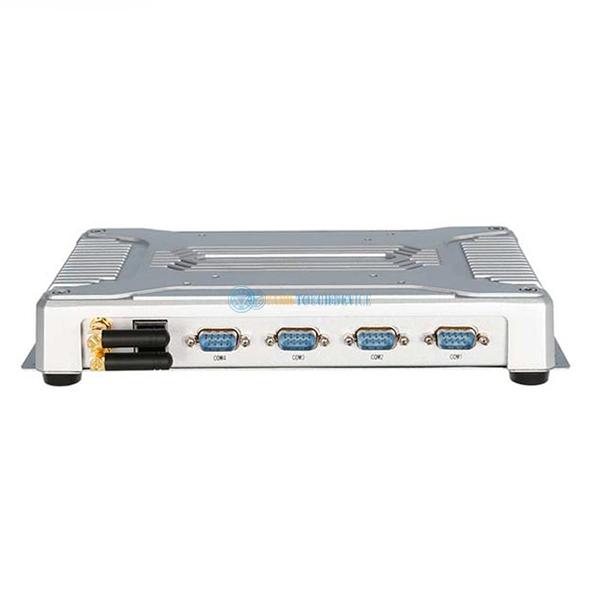
Hot-Swappable Modules for Minimal Downtime
One of the most significant advantages of modular industrial control computers is the ability to replace components while the system remains operational. Hot-swappable modules, such as power supplies, storage drives, or communication cards, can be inserted or removed without powering down the entire unit. This capability is crucial in 24/7 environments like chemical plants or data centers, where even brief interruptions can cause safety hazards or data loss.
For example, if a power supply module fails due to a surge or overheating, a technician can simply unclip the old unit and plug in a replacement without disrupting connected devices or ongoing processes. Similarly, storage modules using solid-state drives (SSDs) can be upgraded to higher capacities or faster models without reformatting the system, ensuring seamless data continuity.
Field-Replaceable Units (FRUs) for Standardized Maintenance
To further simplify repairs, modular industrial computers often use field-replaceable units (FRUs)—pre-assembled components that follow industry-standard dimensions and connectors. These FRUs reduce the need for soldering or complex wiring, allowing technicians to diagnose issues at the module level rather than troubleshooting individual chips or circuits.
A common FRU might include a CPU board with integrated memory and cooling, designed to fit into a standardized slot within the chassis. If the processor becomes outdated or damaged, the entire board can be replaced in minutes, restoring full functionality. This standardization also streamlines inventory management, as organizations can stock a limited range of FRUs to cover multiple system models, cutting costs and reducing lead times for spare parts.
Clear Documentation and Tool-Free Access for Technicians
Effective component replacement relies on clear instructions and intuitive design. Modular industrial control computers prioritize accessibility by incorporating features like tool-less latches, color-coded connectors, and labeled slots. These elements guide technicians through the replacement process, minimizing errors and speeding up repairs.
For instance, a storage module might use a thumb-screw latch that can be opened by hand, eliminating the need for screwdrivers. Communication cards, such as Ethernet or serial port expanders, often feature pull-tab handles for easy extraction, preventing damage to delicate pins during removal. Additionally, comprehensive user manuals or digital guides with step-by-step visuals ensure even less experienced staff can perform replacements confidently.
Diagnostic LEDs and Self-Testing Features for Quick Troubleshooting
To identify failing modules rapidly, modular systems integrate diagnostic LEDs that indicate power status, data activity, or error codes. A blinking red light on a power supply module, for example, might signal an overload, prompting immediate replacement before secondary damage occurs. Some advanced models even include self-testing routines that run during startup, automatically detecting faulty components and alerting operators via on-screen messages or remote notifications.
These diagnostic tools reduce the time spent isolating issues, allowing technicians to focus on replacement rather than diagnosis. In mission-critical applications, such as autonomous vehicles or medical equipment, this speed can prevent accidents or ensure compliance with safety regulations.
Scalability Through Modular Expansion
Beyond maintenance, modularity enables industrial control computers to grow alongside technological advancements or changing production needs. Additional modules can be added to expand functionality without discarding existing hardware, protecting investments in legacy systems.
For example, a factory might start with a basic modular computer controlling a single machine tool but later integrate additional I/O modules to monitor multiple sensors or connect to a cloud-based analytics platform. Similarly, graphics processing units (GPUs) or artificial intelligence (AI) accelerators can be added to support machine vision or predictive maintenance applications, turning a standard controller into a smart edge device.
Backward Compatibility for Legacy System Integration
To ensure smooth upgrades, modular designs often maintain backward compatibility with older module generations. This means newer chassis can accept older CPU boards or communication cards, allowing organizations to phase in replacements gradually rather than replacing entire systems at once. For instance, a manufacturing plant upgrading to Industry 4.0 standards might retain its existing serial communication modules while introducing new Ethernet-based ones, ensuring seamless data flow between old and new equipment.
Backward compatibility also simplifies training, as technicians familiar with older modules can adapt to newer systems without relearning entire architectures. This continuity reduces the risk of operational errors during transitions, maintaining productivity throughout the upgrade process.
Conclusion
Modular industrial control computers redefine maintainability by prioritizing component-level replaceability, intuitive design, and future-proof scalability. Their hot-swappable modules, standardized FRUs, and diagnostic tools minimize downtime and repair costs, while backward compatibility ensures smooth integration with legacy systems. By empowering technicians to address issues quickly and adapt to new technologies, these systems deliver the reliability and flexibility needed to thrive in dynamic industrial environments. Whether maintaining aging infrastructure or embracing digital transformation, modularity provides a sustainable path forward for industrial automation.