Welcome STARK TOUCH DEVICE!


Solutions
Touch screen industrial control computer human-computer interaction
Touchscreen Industrial Control Computers: Enhancing Human-Machine Interaction
In the realm of industrial automation, the evolution of human-machine interaction (HMI) has been pivotal in improving operational efficiency, safety, and user experience. Touchscreen industrial control computers have emerged as a cornerstone of modern HMI solutions, offering intuitive interfaces that simplify complex processes and empower operators with real-time control. These devices bridge the gap between human operators and machinery, enabling seamless communication and precise control in demanding industrial environments.
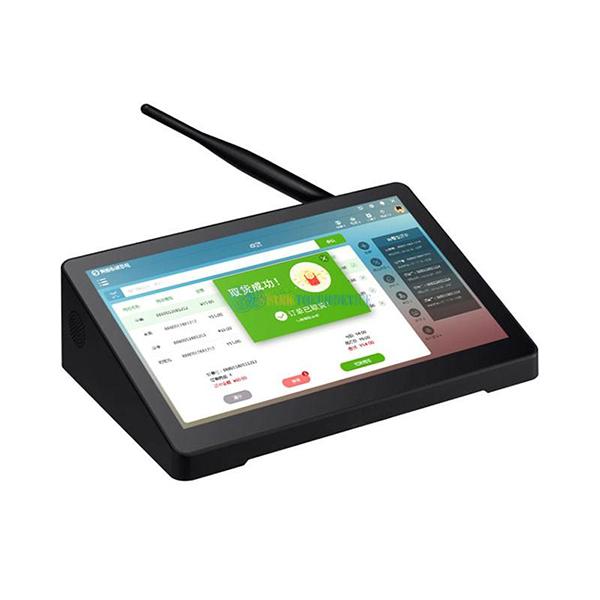
Intuitive Interfaces for Streamlined Operations
Touchscreen industrial control computers are designed with user-centric interfaces that prioritize simplicity and accessibility. Unlike traditional HMI systems that rely on physical buttons or keyboards, touchscreens allow operators to interact directly with the system through gestures like tapping, swiping, and pinching. This intuitive approach reduces the learning curve for new users and enables faster, more efficient operation.
In a manufacturing plant, for example, an operator can use a touchscreen interface to monitor production lines, adjust machine parameters, or initiate maintenance procedures with just a few taps. The visual feedback provided by the touchscreen—such as color-coded alerts or animated diagrams—helps operators quickly identify issues and take corrective action, minimizing downtime and improving overall productivity.
Customizable Dashboards for Context-Specific Control
One of the key advantages of touchscreen industrial control computers is their ability to display customizable dashboards tailored to specific roles or tasks. Operators can configure their screens to show only the most relevant information, reducing clutter and focusing attention on critical metrics. For instance, a supervisor might have a dashboard displaying overall equipment effectiveness (OEE) metrics, while a technician might see detailed diagnostic data for a specific machine.
This flexibility extends to the layout and design of the interface as well. Touchscreens support dynamic elements like drag-and-drop widgets, resizable windows, and context-sensitive menus, allowing users to create a workspace that suits their workflow. In a food processing facility, an operator might arrange their dashboard to show temperature controls for ovens on one side and conveyor speed settings on the other, ensuring all key parameters are easily accessible.
Multi-Touch Capabilities for Advanced Interaction
Modern touchscreen industrial control computers often incorporate multi-touch technology, enabling more sophisticated interactions than single-touch screens. Multi-touch gestures like zooming, rotating, and multi-finger swiping allow operators to manipulate data or navigate complex interfaces with ease. This capability is particularly valuable in applications that involve detailed visualizations, such as 3D modeling or geographic information systems (GIS).
In a power distribution center, for example, an operator might use a multi-touch screen to zoom in on a specific section of a substation layout, rotate the view to examine equipment from different angles, or swipe between multiple screens to compare data from different sensors. These gestures provide a level of interactivity that enhances situational awareness and enables faster decision-making.
Gesture Recognition for Hands-Free Operation
Some advanced touchscreen industrial control computers also support gesture recognition, allowing operators to interact with the system without physically touching the screen. This feature is especially useful in environments where gloves are required or where the screen might be contaminated with dirt, oil, or other substances. By using hand gestures like waving or pointing, operators can navigate menus, acknowledge alarms, or initiate commands without removing their gloves or cleaning the screen.
In a steel mill, for instance, an operator wearing heat-resistant gloves might use gesture recognition to adjust the temperature settings on a blast furnace without having to stop and remove their gloves. This hands-free operation improves safety and efficiency by reducing the time spent on manual interactions and minimizing the risk of accidents.
Durability and Reliability in Harsh Environments
Industrial environments pose unique challenges for electronic devices, including exposure to dust, moisture, extreme temperatures, and vibrations. Touchscreen industrial control computers are built to withstand these conditions, featuring rugged enclosures, sealed bezels, and industrial-grade components that ensure reliable performance in even the harshest settings.
Many touchscreen industrial computers are rated for IP65 or higher, meaning they are protected against dust ingress and can withstand low-pressure water jets from any direction. This makes them suitable for use in outdoor applications or in facilities where cleaning involves high-pressure hosing. Additionally, these devices often operate across a wide temperature range, from below freezing to well above 100°F (38°C), ensuring consistent performance in extreme climates.
Anti-Glare and Anti-Reflective Screens for Improved Visibility
Visibility is critical in industrial settings, where operators need to read screens clearly even in bright sunlight or under harsh fluorescent lighting. Touchscreen industrial control computers address this challenge with anti-glare and anti-reflective coatings that reduce reflections and minimize eye strain. These coatings scatter light evenly across the screen, preventing hotspots and ensuring that information remains legible in any lighting condition.
In a mining operation, for example, an operator working outdoors might use a touchscreen computer with an anti-glare screen to monitor drilling equipment. The screen’s matte finish reduces reflections from the sun, allowing the operator to read data clearly without squinting or adjusting their position. Similarly, in an indoor factory with high-intensity lighting, an anti-reflective coating ensures that the screen remains visible even when positioned near windows or bright lights.
Conclusion
Touchscreen industrial control computers are transforming human-machine interaction in industrial settings, offering intuitive interfaces, advanced interaction capabilities, and rugged durability. By enabling operators to interact with machinery in a more natural and efficient way, these devices are driving improvements in productivity, safety, and overall operational effectiveness. As industries continue to adopt digital technologies and automation, the role of touchscreen industrial control computers in facilitating seamless HMI will only grow more important, shaping the future of industrial automation.