Welcome STARK TOUCH DEVICE!


Solutions
Digital quantity logic test of industrial control computer
Digital Logic Testing Methods for Industrial Control Computers
Fundamentals of Digital Logic Testing in Industrial Systems
Digital logic testing verifies the correct operation of binary input/output (I/O) channels in industrial control computers. These systems process discrete signals representing states like ON/OFF, open/closed, or high/low. Unlike analog signals, digital logic operates at specific voltage thresholds to distinguish between logical 0 (typically 0-2V) and logical 1 (usually 3-5V).
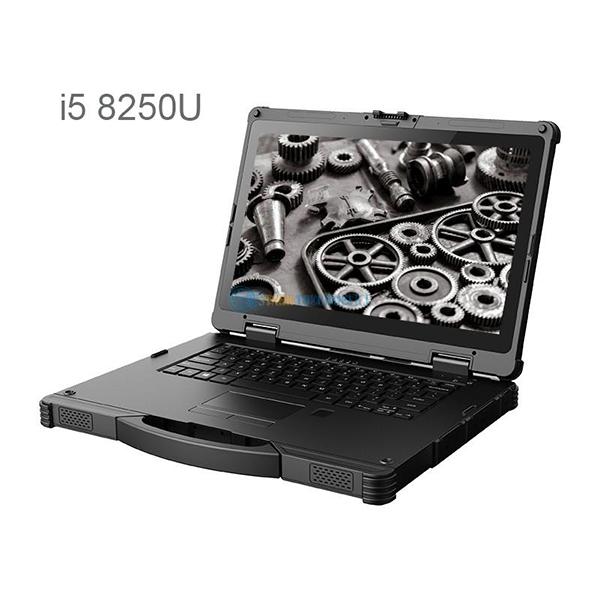
The primary objectives of digital logic testing include validating signal integrity, verifying timing relationships, and ensuring proper response to control commands. Industrial environments introduce challenges such as electrical noise, electromagnetic interference (EMI), and mechanical vibrations that can affect digital signal reliability. Effective testing must account for these factors while maintaining system uptime.
Key parameters to evaluate during digital logic testing include:
Voltage levels at logical 0 and 1 states
Rise and fall times of signal transitions
Propagation delay through logic circuits
Contact bounce in mechanical switches
Noise immunity and signal-to-noise ratio
Test Setup and Equipment Requirements
Essential Testing Tools
A basic digital logic test setup requires several instruments:
Digital multimeter: Measures DC voltage levels to verify proper logic states
Oscilloscope: Captures waveform details to analyze timing and noise characteristics
Pulse generator: Creates controlled test signals with adjustable frequency and duty cycle
Logic analyzer: Monitors multiple digital channels simultaneously for complex systems
For field testing, portable versions of these instruments with ruggedized casings prove valuable. Battery-powered equipment eliminates ground loop issues common in industrial settings. When testing safety-critical systems, use instruments with appropriate safety certifications for hazardous locations.
Signal Connection Techniques
Proper connection methods prevent measurement errors and equipment damage:
Use shielded test leads for all signal connections to reduce EMI pickup
Employ differential measurement techniques when possible to reject common-mode noise
For high-speed signals, use impedance-matched probes to prevent signal distortion
When testing powered systems, verify proper grounding between test equipment and the control computer
Mechanical switches require special attention during connection. Use debounce circuits or software filtering to handle contact bounce in momentary switches. For relay contacts, verify both normally open (NO) and normally closed (NC) states under different operating conditions.
Functional Testing Procedures
Static Logic Level Verification
This test confirms that digital inputs and outputs maintain correct voltage levels under steady-state conditions:
Apply known logical 0 (0V) and logical 1 (5V) signals to each input channel
Measure the actual voltage at the input terminal using a digital multimeter
Verify the measured voltage falls within the acceptable range for the logic family (e.g., 0-0.8V for 0, 2.4-5V for 1 in TTL systems)
Repeat the process for all output channels by stimulating the system to generate each output state
For systems using opto-isolators or other isolation techniques, test both sides of the isolation barrier separately. Verify that the isolation maintains its integrity under maximum voltage differential conditions specified for the system.
Dynamic Signal Timing Analysis
Timing tests ensure digital signals transition within required time windows:
Use a pulse generator to create input signals with known rise/fall times (typically 10-90% of final value)
Capture the output response using an oscilloscope with sufficient bandwidth (at least 5x the signal frequency)
Measure propagation delay from input transition to output response
Verify setup and hold times for synchronous systems by varying the timing relationship between clock and data signals
For high-speed digital buses, perform eye diagram analysis to evaluate signal quality over multiple transitions. This reveals issues like intersymbol interference or excessive jitter that might cause intermittent failures.
Fault Injection and Stress Testing
PREVIOUS:Debugging of the edge computing module for industrial control computers
NEXT:Method for Analog Quantity Calibration of Industrial Control Computers