Welcome STARK TOUCH DEVICE!


Solutions
3C electronic assembly industrial control computer control
Industrial Control Computing in 3C Electronics Assembly Operations
Precision Motion Control for Miniature Components
3C electronics assembly demands micro-level accuracy when handling components like integrated circuits, camera modules, and battery connectors. Industrial control computers coordinate high-speed pick-and-place machines with sub-millimeter precision. These systems process vision system data in real time to adjust robotic arm trajectories, compensating for even slight variations in component placement or conveyor speed.
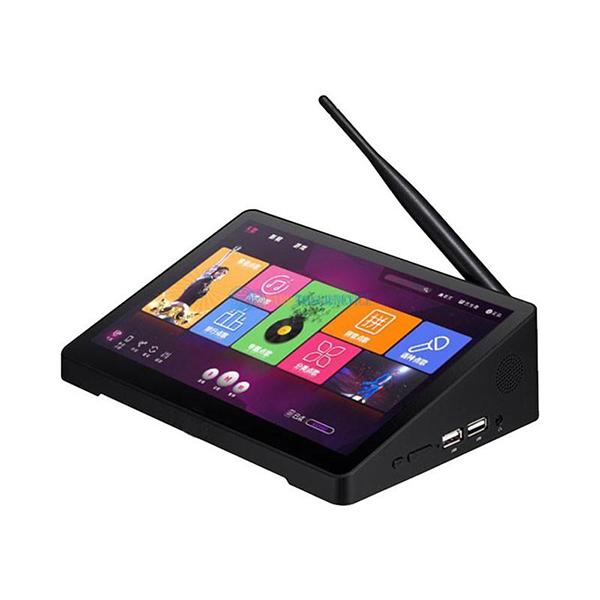
The control algorithms must account for static electricity risks inherent in electronics manufacturing. Computers regulate vacuum gripper suction levels and grounding paths to prevent electrostatic discharge damage. They also monitor environmental conditions like humidity and temperature, which can affect adhesive curing times during display assembly processes.
Multi-axis synchronization proves critical when assembling flexible printed circuit boards (FPCs). Control computers manage the coordinated movement of heating elements, pressure applicators, and inspection cameras to ensure consistent bond quality across curved surfaces. This level of precision reduces rework rates and improves final product reliability.
Real-Time Quality Verification Systems
Industrial control computers transform production data into immediate quality feedback loops. During surface-mount technology (SMT) processes, they analyze solder paste deposition patterns from laser inspection systems. When deviations exceed tolerance thresholds, the computer automatically adjusts stencil printer parameters before defective boards progress further.
In optical component assembly, control systems verify alignment accuracy through machine vision. They compare captured images against digital reference models, calculating necessary adjustments for lens positioning or sensor calibration. This closed-loop control eliminates manual measurement steps and reduces assembly cycle times.
For battery pack assembly, computers monitor cell voltage balancing during charging cycles. They track individual cell performance data to identify potential safety issues before they escalate. This proactive monitoring helps manufacturers comply with strict safety standards for lithium-ion battery production.
Flexible Manufacturing for Diverse Product Lines
3C electronics manufacturers frequently shift production between different models and configurations. Industrial control computers enable rapid changeovers through software-defined processes. Operators can upload new product recipes that reconfigure assembly machines for different component layouts, test parameters, and packaging requirements.
During model transitions, control systems verify tooling compatibility before allowing production to resume. They check nozzle sizes on dispensing equipment, confirm camera calibration settings, and validate test program versions. This automated validation reduces human error during changeovers and minimizes production downtime.
The integration of digital twin technology further enhances flexibility. Control computers use virtual models to simulate new assembly processes before physical implementation. This allows for optimization of motion paths and parameter settings without risking damage to actual equipment or components.
Advanced Material Handling Optimization
Efficient component feeding systems rely on intelligent control computers to manage inventory and delivery. These systems track reel counts for surface-mount devices (SMDs) and anticipate material shortages before they halt production. They coordinate with automated storage and retrieval systems to replenish feeders with minimal operator intervention.
For delicate components like OLED displays, control computers regulate vacuum transport systems to prevent damage during movement between workstations. They adjust suction levels based on component size and fragility, while monitoring for proper placement in carrier trays. This careful handling maintains yield rates for high-value components.
In liquid crystal display (LCD) assembly, control systems manage precision dosing of optical clear resins. They adjust dispensing parameters based on ambient temperature and humidity variations, ensuring consistent bond line thickness across large glass substrates. This level of process control improves display durability and optical performance.
Energy-Efficient Production Management
3C electronics factories face pressure to reduce energy consumption while maintaining output. Industrial control computers optimize power usage through intelligent scheduling of high-energy processes. They coordinate oven curing cycles for epoxy adhesives to align with periods of low electricity demand or high renewable energy availability.
Lighting systems in cleanroom environments benefit from occupancy-based control. Computers dim or turn off lights in unused work areas while maintaining appropriate illumination levels in active production zones. This adaptive lighting reduces overall energy consumption without compromising operator visibility.
Compressed air systems, commonly used for component cleaning and handling, receive continuous monitoring from control computers. They detect leaks and adjust pressure settings based on real-time demand from different assembly stations. This proactive management lowers energy waste and extends equipment lifespan.
Cyber-Physical System Integration
Modern 3C assembly lines function as cyber-physical systems where digital and physical processes interact seamlessly. Industrial control computers serve as the bridge between enterprise resource planning (ERP) systems and production equipment. They translate order data into machine instructions while feeding back production metrics for inventory management and scheduling adjustments.
Edge computing capabilities allow control computers to process data locally for time-sensitive decisions. Vision inspection results, equipment status updates, and quality metrics get analyzed at the machine level rather than requiring cloud processing. This reduces latency and enables faster response to production issues.
Secure communication protocols protect these integrated systems from cyber threats. Control computers implement role-based access control for operators and encrypt data transmissions between networked devices. Regular security updates address newly discovered vulnerabilities without disrupting production operations.