Welcome STARK TOUCH DEVICE!


Solutions
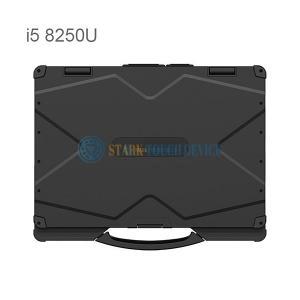
Method for Analog Quantity Calibration of Industrial Control Computers
Analog signal calibration establishes a precise relationship between raw electrical values and physical measurements. This process compensates for hardware tolerances, environmental factors, and sensor nonlinearities. The core principle involves defining two reference points: zero-scale (minimum physical value) and full-scale (maximum physical value). For example, a temperature sensor with 0-100°CRead more
Networking and debugging of multiple devices for industrial control computers
Industrial control systems often rely on interconnected devices to monitor and manage processes efficiently. However, debugging multi-device networks in industrial control computers presents unique challenges due to hardware diversity, protocol variations, and real-time performance demands. This guide explores practical strategies to streamline the debugging process while ensuring system reliabiliRead more
Power-on self-test process of industrial control computer
When an industrial control computer powers on, it executes a series of diagnostic checks to ensure hardware and firmware integrity before initiating normal operations. This process, known as the Power-On Self-Test (POST), identifies faults early, preventing system failures in critical environments. Below is a breakdown of the key stages involved in a typical POST sequence for industrial computingRead more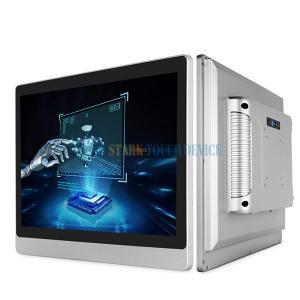
On-site wiring and organization of industrial control computers
Industrial control computers rely on organized cabling to ensure reliability, safety, and ease of maintenance in harsh environments. Poorly managed cables can lead to signal interference, accidental disconnections, or physical damage, disrupting operations. This guide outlines practical methods for structuring and securing cables in field installations without relying on proprietary solutions.Read more
Layout of the cooling air duct for industrial control computers
Industrial control computers operate in demanding environments where heat dissipation directly impacts reliability and longevity. Effective airflow path design ensures consistent cooling, prevents hotspots, and maintains optimal component temperatures. This guide explores strategies for structuring cooling channels without relying on proprietary solutions.Read more