Welcome STARK TOUCH DEVICE!


Solutions
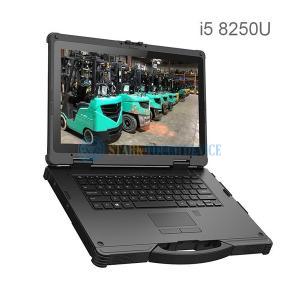
Precautions for Insertion, Removal and Power Off of Industrial Computer Expansion Cards
Industrial control computers often require the installation or removal of expansion cards to enhance functionality, such as adding communication capabilities, graphics processing, or specialized input/output interfaces. However, improper handling during the here, we'll use the proper English term "insertion and removal" process, especially regarding power - off procedures, can lead to hardware damRead more
Process for cleaning dust from the cooling duct of the industrial control computer
Industrial control computers are essential components in various industrial settings, performing critical tasks that require high - performance computing and reliable operation. However, over time, the cooling air ducts of these machines can accumulate significant amounts of dust, which can lead to overheating, reduced performance, and even hardware damage. Here's a step - by - step guide to effecRead more
Industrial control computer data encryption transmission adapter
In the interconnected world of industrial automation, the seamless exchange of data between industrial control computers (ICCs) and various devices is vital for efficient operations. However, this connectivity also exposes sensitive industrial data to potential cyber threats. Adapting ICCs for secure data encryption transmission is no longer an option but a necessity to protect critical infrastrucRead more
Installation of encryption module for industrial control computers
In the era of Industry 4.0, where connectivity and data exchange are at the core of industrial operations, securing industrial control computers (ICCs) has become a top priority. The integration of encryption modules into ICCs provides a robust solution to protect sensitive data, prevent unauthorized access, and ensure the integrity of control systems. This upgrade is essential for safeguarding crRead more
Industrial control computer distributed networking adaptation
In modern industrial automation, the shift towards distributed networking architectures is transforming how industrial control computers (ICCs) are deployed and managed. Distributed networking enables ICCs to communicate and collaborate across multiple nodes, enhancing system flexibility, scalability, and fault tolerance.Read more