Welcome STARK TOUCH DEVICE!


Solutions
Management of intelligent building equipment through industrial control computers
Industrial Control Computer Management for Smart Building Equipment
Enhancing Building Automation with Centralized Control Systems
Unified Equipment Monitoring and Control
In smart buildings, a multitude of equipment operates simultaneously, ranging from HVAC systems and lighting to security and access control devices. Industrial control computers serve as the central hub for managing all these diverse systems. By integrating various communication protocols, these computers can collect real-time data from sensors attached to each piece of equipment. For instance, temperature sensors in HVAC units send data about the current indoor climate, while motion sensors in lighting systems indicate occupancy levels. This unified data collection allows the control computer to have a comprehensive view of the building's operational status.
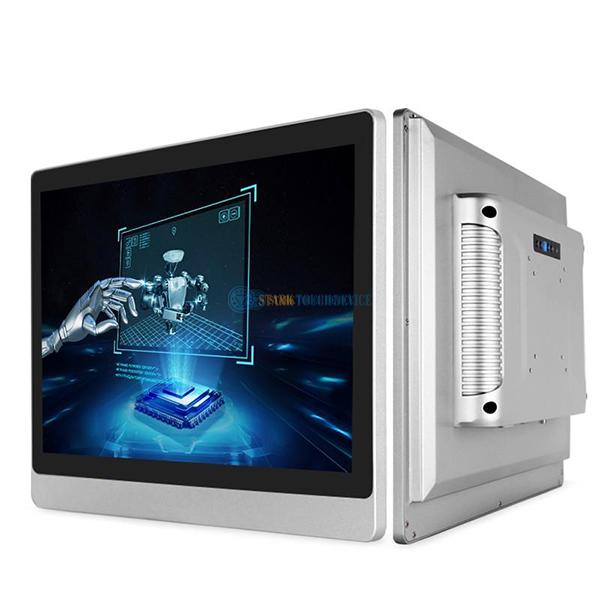
Based on the collected data, the industrial control computer can issue commands to adjust equipment settings. If the temperature in a particular zone rises above the set threshold, it can instruct the HVAC system to increase cooling. Similarly, when motion sensors detect no activity in a room, the lighting system can be turned off automatically. This centralized control not only improves the comfort and convenience of building occupants but also optimizes energy consumption by ensuring that equipment operates only when necessary.
Fault Detection and Predictive Maintenance
One of the key advantages of using industrial control computers in smart building management is their ability to detect faults early and facilitate predictive maintenance. By continuously analyzing the data from equipment sensors, these computers can identify abnormal patterns or deviations from normal operating conditions. For example, if the vibration levels of a fan in the HVAC system start to increase significantly, it could indicate an impending mechanical failure. The control computer can then generate an alert, notifying maintenance personnel to inspect and repair the fan before it breaks down completely.
Predictive maintenance goes a step further by using historical data and machine learning algorithms to predict when equipment is likely to fail. By analyzing trends in sensor data over time, the control computer can estimate the remaining useful life of components and schedule maintenance activities accordingly. This proactive approach reduces unplanned downtime, extends the lifespan of building equipment, and lowers maintenance costs in the long run.
Optimizing Energy Efficiency in Smart Buildings
Dynamic Energy Management Strategies
Energy efficiency is a top priority in smart building design and operation. Industrial control computers play a crucial role in implementing dynamic energy management strategies. By analyzing real-time data on energy consumption from various equipment and systems, these computers can identify areas where energy is being wasted and take corrective actions. For example, during periods of low occupancy, the control computer can adjust the lighting levels and HVAC settings to reduce energy usage.
Moreover, industrial control computers can integrate with renewable energy sources, such as solar panels and wind turbines, installed in the building. They can monitor the energy generation from these sources and optimize the use of stored energy. When solar power generation is high, the control computer can direct excess energy to charge batteries or power non-critical loads. During peak demand periods or when renewable energy generation is low, it can draw energy from the grid or stored batteries to ensure uninterrupted power supply while minimizing reliance on traditional energy sources.
Occupant Behavior Analysis for Energy Optimization
Understanding occupant behavior is essential for further optimizing energy efficiency in smart buildings. Industrial control computers can collect data on occupancy patterns, movement within the building, and usage of different facilities through sensors and access control systems. By analyzing this data, the control computer can gain insights into how occupants interact with the building's systems and identify opportunities for energy savings.
For instance, if the data shows that certain areas of the building are rarely used during specific times of the day, the control computer can adjust the lighting and HVAC settings in those areas accordingly. It can also provide personalized energy - saving recommendations to occupants through mobile apps or in - building displays, encouraging them to adopt more energy - efficient behaviors. This combination of technology - driven optimization and occupant engagement can lead to significant reductions in energy consumption in smart buildings.
Ensuring Security and Reliability in Smart Building Management
Robust Cybersecurity Measures
As smart buildings become more connected and reliant on industrial control computers, cybersecurity becomes a critical concern. These computers are vulnerable to various cyber threats, such as unauthorized access, data breaches, and malware attacks, which could disrupt building operations and compromise occupant safety. To address these risks, robust cybersecurity measures must be implemented.
Industrial control computers should be equipped with firewalls, intrusion detection systems, and encryption technologies to protect data in transit and at rest. Regular security updates and patches should be applied to address emerging vulnerabilities. Additionally, access control mechanisms should be in place to ensure that only authorized personnel can access the control computer and make changes to building systems. Multi - factor authentication and role - based access control can further enhance security by restricting access based on user roles and privileges.
Redundancy and Fail - Safe Mechanisms
To ensure the reliability of smart building management systems, redundancy and fail - safe mechanisms are essential. Industrial control computers should be designed with redundant components, such as power supplies, network interfaces, and storage devices, to prevent single points of failure. In case one component fails, the redundant component can take over seamlessly, ensuring uninterrupted operation of the building systems.
Fail - safe mechanisms are also crucial for handling critical situations. For example, in the event of a power outage or communication failure, the industrial control computer should be able to switch to a backup power source and maintain basic building functions, such as emergency lighting and ventilation. It should also be programmed to follow predefined fail - safe procedures to protect occupants and equipment in case of a system malfunction or emergency situation. These measures help to minimize the impact of disruptions and ensure the safety and comfort of building occupants at all times.