Welcome STARK TOUCH DEVICE!


Solutions
Troubleshooting of industrial control computer hardware faults
Troubleshooting Hardware Failures in Industrial Control Computers
Industrial control computers are the backbone of modern manufacturing and process - control systems. When hardware failures occur, they can disrupt production, cause data loss, and lead to significant financial losses. Effective troubleshooting is essential to quickly identify and resolve these issues, minimizing downtime and ensuring the smooth operation of industrial processes.
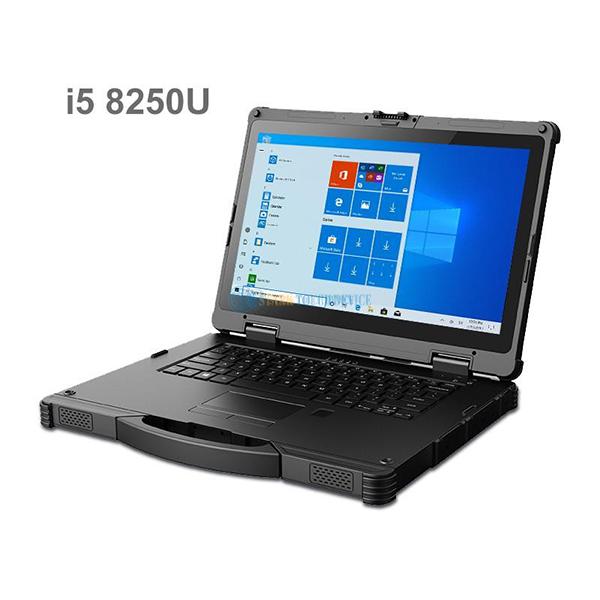
Common Hardware Components Prone to Failure
Central Processing Unit (CPU)
The CPU is the brain of the industrial control computer, responsible for executing instructions and processing data. Overheating is a common cause of CPU failure in industrial environments. Dust accumulation on the CPU heatsink and fan can impede airflow, leading to increased temperatures. Additionally, excessive load on the CPU over an extended period can also cause it to overheat and eventually fail. Another potential issue is physical damage, such as bent pins on the CPU socket or damage to the CPU chip itself due to mishandling during installation or maintenance.
Memory Modules
Memory modules, including RAM, play a crucial role in storing data that the CPU needs to access quickly. Memory failures can manifest in various ways, such as random system crashes, blue - screen errors, or application failures. One common cause of memory problems is electrostatic discharge (ESD) during installation or handling. ESD can damage the delicate electronic components on the memory module, leading to malfunctions. Another factor is aging. Over time, the memory cells can degrade, causing errors in data storage and retrieval.
Storage Devices
Industrial control computers often use hard disk drives (HDDs) or solid - state drives (SSDs) for long - term data storage. HDDs are mechanical devices and are susceptible to physical damage from vibrations, shocks, or drops. The read/write heads can crash onto the disk platter, causing data loss and rendering the drive inoperable. SSDs, on the other hand, have a limited number of write cycles. Frequent writing and erasing of data can wear out the flash memory cells, leading to reduced performance and eventually failure. Additionally, power surges or electrical fluctuations can damage both HDDs and SSDs, corrupting the stored data.
Initial Diagnostic Steps
Visual Inspection
A visual inspection is the first step in troubleshooting hardware failures in industrial control computers. Check for any obvious signs of damage, such as cracks on the computer case, bent pins on connectors, or burnt components on the motherboard. Look for loose cables or connections, as these can cause intermittent or complete failure of hardware components. Dust accumulation is also a common issue in industrial environments, so inspect the internal components for excessive dust buildup, especially around the CPU heatsink, fan, and memory modules.
Power Supply Check
The power supply is responsible for providing stable electrical power to all the components in the industrial control computer. A faulty power supply can cause a wide range of hardware problems. Use a multimeter to check the voltage outputs of the power supply. Ensure that the voltages are within the specified range for each connector. If the power supply is not providing the correct voltages, it may need to be replaced. Also, check for any signs of overheating or damage on the power supply unit, such as bulging capacitors or a burnt smell.
Listening for Unusual Noises
Unusual noises coming from the industrial control computer can indicate hardware problems. For example, a clicking or grinding noise from an HDD may suggest a mechanical failure, such as a head crash or a damaged spindle motor. A loud whirring noise from the CPU fan or case fans could indicate that they are working harder than normal, possibly due to overheating or a blocked airflow path. If you hear any abnormal sounds, it's important to investigate further to identify the source of the problem.
Advanced Troubleshooting Techniques
Component Isolation
Component isolation is a useful technique for identifying the specific hardware component causing the problem. Start by removing all non - essential components from the industrial control computer, such as expansion cards, external peripherals, and additional memory modules. Then, power on the computer and observe its behavior. If the problem disappears, gradually add back the removed components one by one until the issue reappears. This will help you pinpoint the faulty component. For example, if the computer was crashing randomly and after removing an expansion card, it started working normally, then the expansion card is likely the cause of the problem.
Diagnostic Software Tools
There are various diagnostic software tools available that can help in troubleshooting hardware failures in industrial control computers. These tools can perform tests on different hardware components, such as the CPU, memory, and storage devices, to check for errors and malfunctions. For example, memory diagnostic tools can detect and report errors in the RAM modules, while disk - checking utilities can identify bad sectors on HDDs and SSDs. Some diagnostic software also provides detailed information about the hardware configuration, which can be useful for comparing with the expected specifications and identifying any discrepancies.
Firmware and BIOS Updates
Outdated firmware or BIOS can sometimes cause hardware compatibility issues or malfunctions in industrial control computers. Check the manufacturer's website for the latest firmware or BIOS updates for your specific hardware components. Before updating the firmware or BIOS, make sure to follow the instructions carefully and create a backup of the existing firmware or BIOS settings. Updating the firmware or BIOS can resolve known issues, improve hardware performance, and enhance compatibility with other components in the system. However, it's important to note that a failed firmware or BIOS update can render the hardware inoperable, so proceed with caution.